
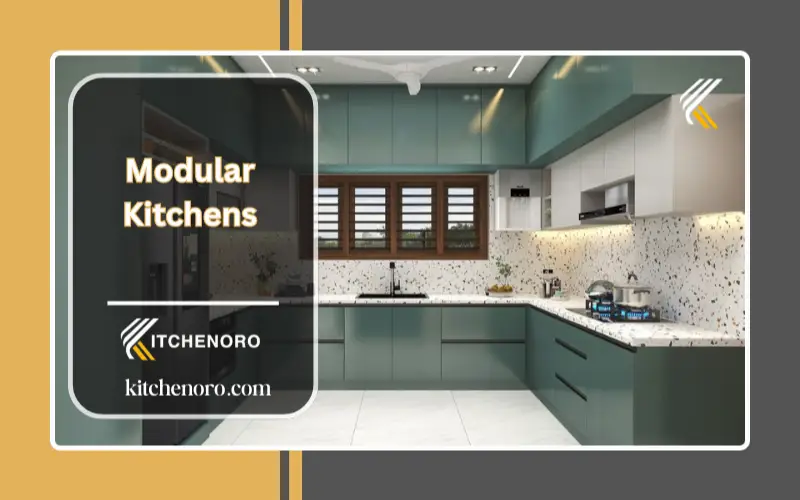
A modern lifestyle deserves a kitchen that is stylish, functional, and built to last. A thoughtfully designed modular kitchen not only improves daily cooking efficiency but also adds long-term value to your home.
From hands-on installation experience and real maintenance cases, we’ve learned that consistent care, smart daily habits, and preventive maintenance are the real secrets behind a long-lasting modular kitchen.
With proper upkeep, a high-quality modular kitchen can remain beautiful and efficient for 15–20 years or more. Below are expert-approved, practical tips to help you protect your investment and keep your kitchen looking new for years.
Smart Tips for Lasting Modular Kitchens- Quick Answer:
To make a modular kitchen last longer, clean surfaces daily using mild, non-abrasive cleaners, wipe spills immediately, ensure proper ventilation while cooking, avoid overloading cabinets, protect surfaces from heat and moisture, and perform seasonal deep cleaning. With these habits, a modular kitchen can easily last 15–20 years or more.
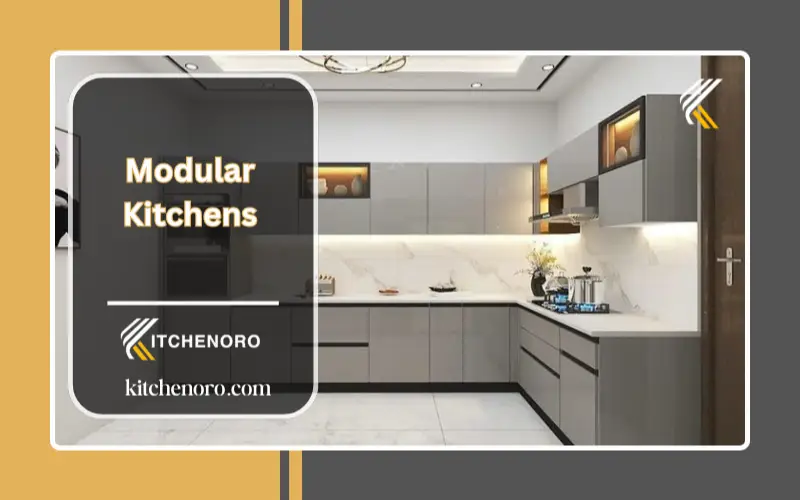
Why Modular Kitchen Maintenance Matters
Modular kitchens are built using precision-engineered cabinets, premium boards, soft-close hardware, and advanced surface finishes. While these materials are durable, water exposure, heat, harsh chemicals, and poor ventilation can shorten their lifespan if ignored.
Proper maintenance helps you:
-
Prevent swelling, warping, and water damage
-
Maintain smooth drawer and shutter movement
-
Preserve surface finishes and shine
-
Avoid costly repairs or early replacement
Consistent care ensures long-term performance, hygiene, and aesthetics.
Essential Cleaning Tools for Modular Kitchens
Keep these safe and recommended tools handy:
-
Microfiber cloths
-
Mild, non-abrasive all-purpose cleaner
-
Soft sponge or soft-bristle brush
-
Baking soda and white vinegar
-
Glass cleaner for splashbacks
-
Warm soapy water for removable parts
Avoid: steel scrubbers, bleach, acidic chemicals, and ammonia-based cleaners.
Quick Modular Kitchen Maintenance Checklist
Save or bookmark this checklist for easy upkeep:
- Wipe countertops and cabinet shutters daily
- Wipe spills immediately to prevent water damage
- Use exhaust fan while cooking
- Never overload cabinets or pull-out units
- Place heat-resistant mats under hot cookware
- Check sink joints and plumbing monthly
- Deep clean cabinets every 3–4 months
- Fix loose hinges early
- Keep cabinets dry and pest-free
- Use only mild, non-abrasive cleaners
Pro Tip: Consistency matters more than intensity. Small daily habits prevent major damage.
Modular Kitchen Maintenance Timeline
-
Daily: Wipe surfaces, handles, and spills
-
Weekly: Clean appliances and cabinet exteriors
-
Monthly: Inspect hinges and plumbing joints
-
Quarterly: Deep clean cabinets and organizers
-
Yearly: Professional inspection (recommended)
Expert Insight
In over a decade of on-site inspections, we’ve found that nearly 70% of modular kitchen damage cases begin with minor water leaks or neglected hinges—issues that could have been fixed in minutes if noticed early.
10 Smart Tips for Lasting Modular Kitchens
1. Daily Surface Cleaning for Lasting Shine
Wipe countertops, cabinet shutters, and handles daily using a microfiber cloth and mild detergent. This prevents grease buildup, staining, and dullness.
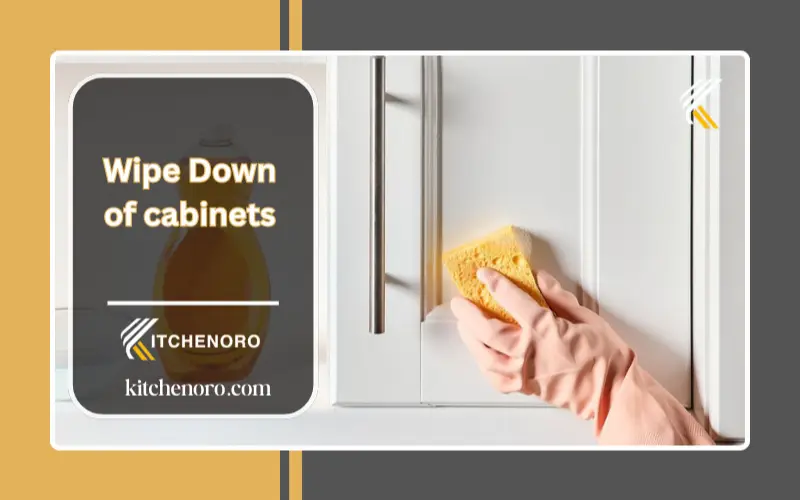
Action Tip: Never leave wet surfaces overnight—even small moisture exposure adds up over time.
2. Keep Inside Kitchen Cabinets Clean
Cabinet interiors collect crumbs, dust, and moisture over time. Clean them periodically with a damp cloth to prevent odors and pests.
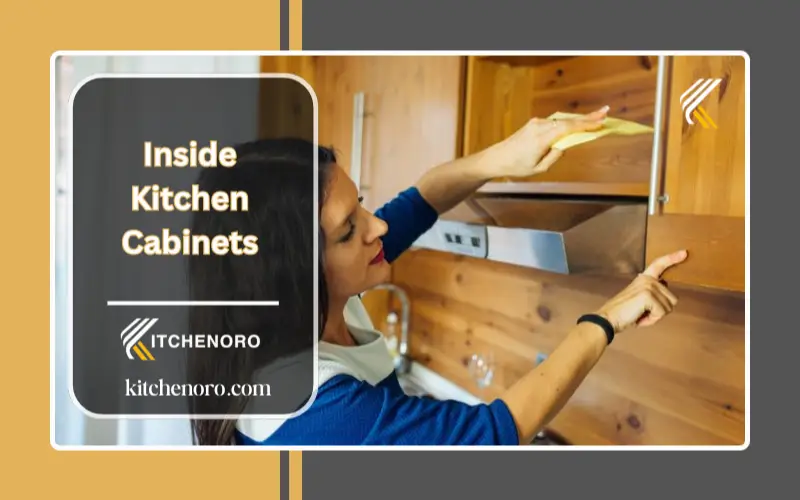
Keep cabinet doors closed near cooking zones to reduce grease buildup.
3. Maintain Kitchen Appliances Regularly
Clean refrigerators, ovens, microwaves, and dishwashers inside and out. Prompt cleaning improves efficiency and prevents odor buildup.
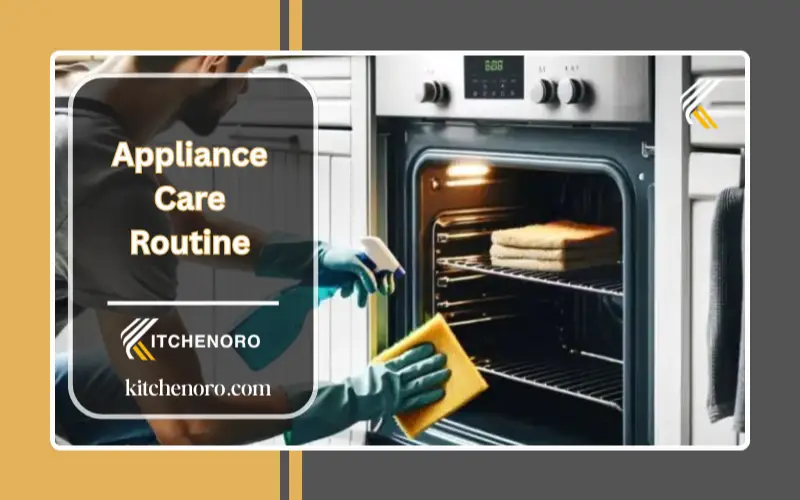
Always follow manufacturer guidelines for best performance.
4. Practice Smart Daily Usage Habits
-
Use soft-close drawers gently
-
Never overload shelves
-
Distribute weight evenly
-
Always use heat-resistant mats
-
Clean handles frequently
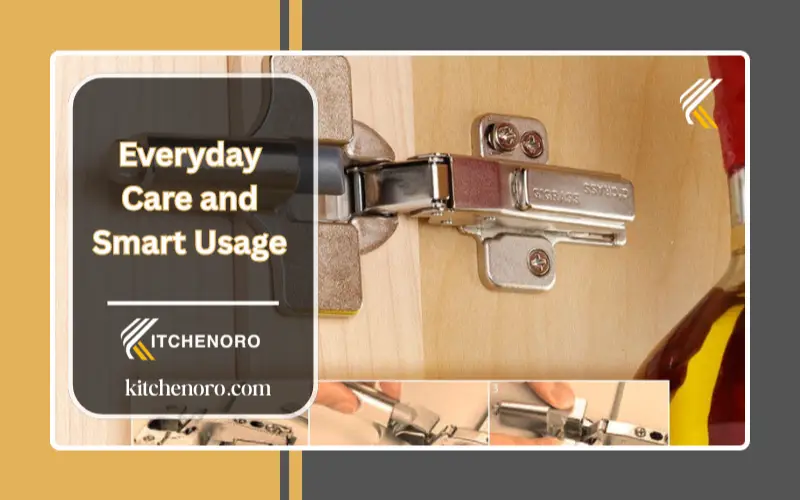
Smart usage prevents unnecessary wear and tear.
5. Fix Loose Cabinet Hinges Early
Loose hinges cause misalignment and long-term structural stress. Tighten screws regularly.
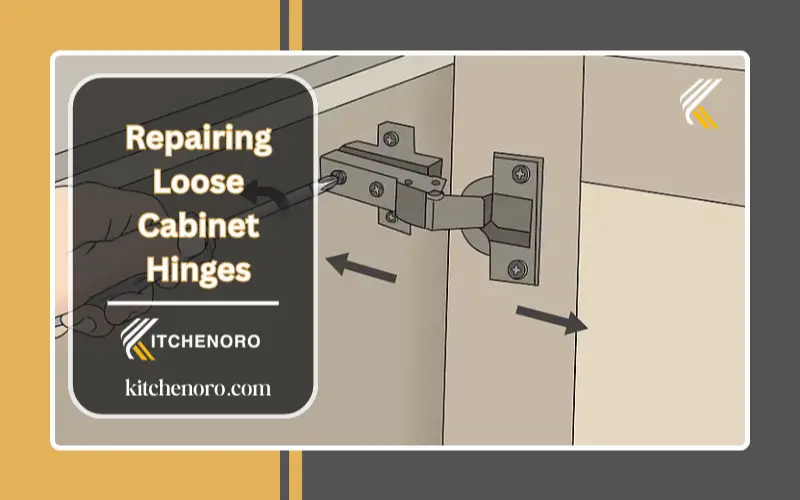
If screws no longer hold, insert wooden toothpicks or use slightly longer screws.
6. Prevent Water Damage in Modular Kitchens
Water is the biggest enemy of modular kitchens.
-
Wipe spills immediately
-
Inspect sink joints monthly
-
Use waterproof mats under sinks
-
Ensure proper sealing around cut-outs
-
Never ignore even a small leak
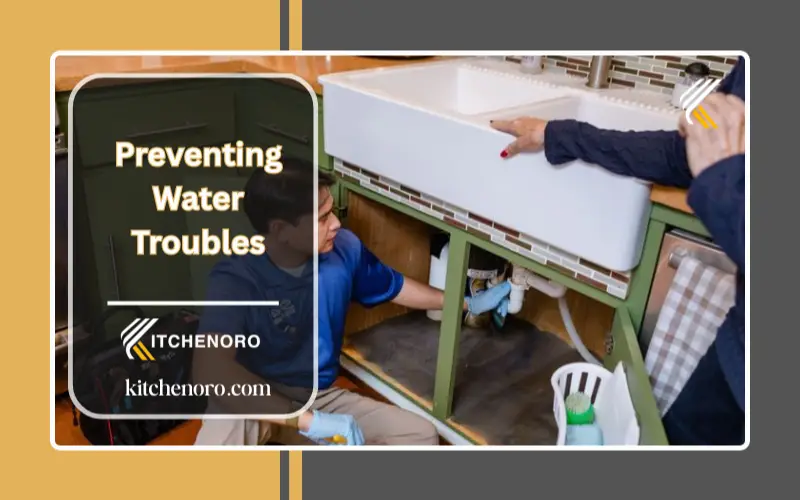
Action Tip: If you notice swelling, discoloration, or resistance while opening shutters, act immediately.
For deeper protection, homeowners should also explore waterproof cabinet materials and proper edge sealing during installation.
7. Seasonal Deep Cleaning Routine
Deep clean your kitchen every 3–4 months:
-
Remove shelves and organizers
-
Wash removable parts with warm soapy water
-
Use only mild cleaners and soft cloths
-
Avoid abrasive pads
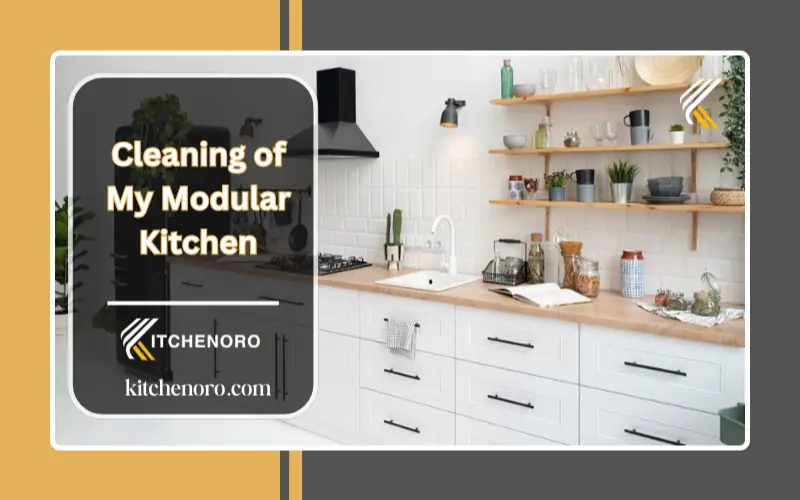
Not sure if your modular kitchen needs professional attention? A preventive inspection today can help you avoid major repairs tomorrow.
8. Ensure Proper Ventilation and Heat Control
Poor ventilation traps heat and moisture, damaging finishes.
-
Use exhaust fans while cooking
-
Open windows for airflow
-
Avoid placing hot cookware directly on surfaces
-
Use dehumidifiers in humid climates
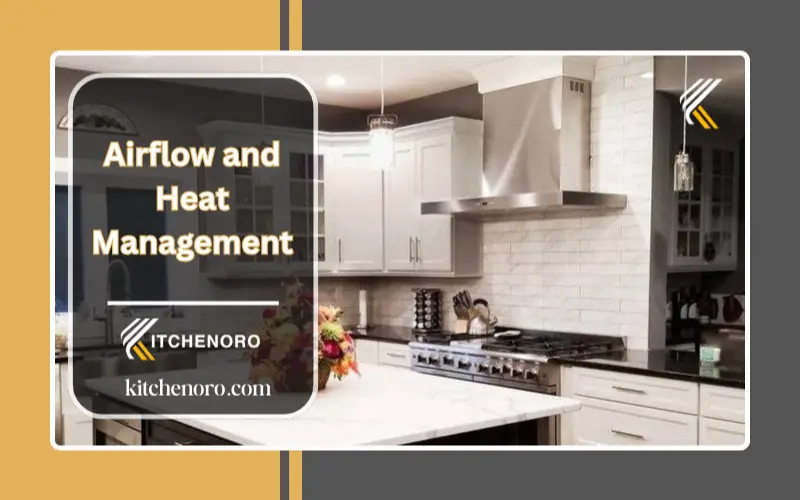
Good airflow significantly extends kitchen life.
9. Use Smart Storage for Easy Maintenance
Drawer dividers, pull-out organizers, and corner solutions reduce clutter and make cleaning easier.
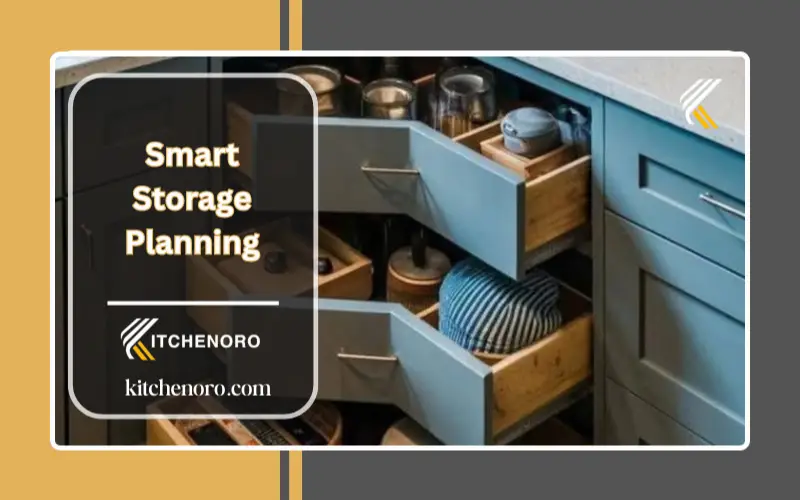
An organized kitchen stays cleaner, more functional, and visually appealing.
10. Maintain a Pest-Free Modular Kitchen
Clean behind appliances and in hidden corners where crumbs collect.
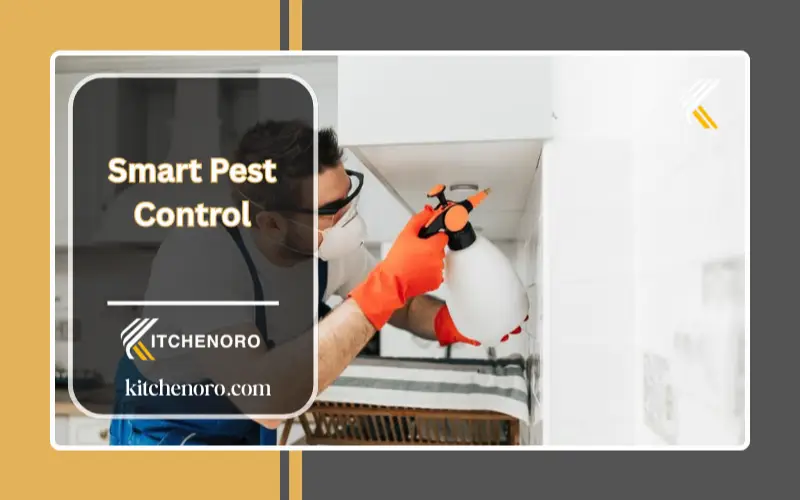
Seal pipe gaps, empty trash daily, and use natural repellents like bay leaves or cloves inside cabinets.
Modular Kitchens vs Traditional Kitchens (Durability Comparison)
Unlike traditional masonry kitchens, modular kitchens rely on engineered boards and precision hardware, making maintenance essential.
The advantage?
With proper care, modular kitchens outperform traditional kitchens in storage efficiency, accessibility, aesthetics, and long-term usability.
FAQs About Modular Kitchen Care
1) How to Maintain a Modular Kitchen?
In my kitchen, I always remember to keep the cabinets closed or shut so nothing gets inside. I clean the walls, tiles, and sink regularly, and change the clothe often to keep things fresh.
Good ventilation helps the space stay airy, while quick fixes like tightening hinges and getting rid of pests make a big difference. When you take care and use every corner smartly, you’ll keep your kitchen in its best shape and ready for something new every day.
2) What Are the Drawbacks of Modular Kitchens?
From my experience with modular kitchens, I’ve seen that although they’re customizable, they come with limitations. The material and quality can affect longevity, especially when compared to traditional setups.
A professional installation is often required, and design options can be quite limited, making it harder to get a truly personal look.
3) What are the 7 steps in cleaning kitchen areas?
I always clear out my kitchen using the KonMari method, starting with drawers and cabinets to rid them of expired foods. Then I wash and thoroughly clean the stove, hood, fridge, and freezer, making sure everything shines.
The dishwasher, small appliances, sink, and countertops get a final clean so the space stays fresh and easy to organize every day.
4) How Long Does a Modular Kitchen Last?
From my experience, a high-quality modular kitchen can easily last around 15-20 years with proper care and maintenance.
The quality of materials and regular upkeep make all the difference—simple habits like gentle cleaning and timely repairs help keep it looking new for years.
Conclusion
A well-maintained modular kitchen combines durability, elegance, and efficiency. With consistent cleaning, smart storage, gentle handling, and preventive care, your kitchen will remain functional and visually appealing for years.
Follow these expert tips to enjoy a kitchen that supports comfort, hygiene, and confidence every day.
About Kitchenoro
Kitchenoro is your trusted partner for complete kitchen remodeling, renovation, and elegant design. We specialize in premium cabinet installation, countertops, and transforming kitchens into luxurious, functional spaces. With expert craftsmanship and tailored solutions, Kitchenoro turns your vision into reality. Contact us to elevate your kitchen’s style and functionality!