
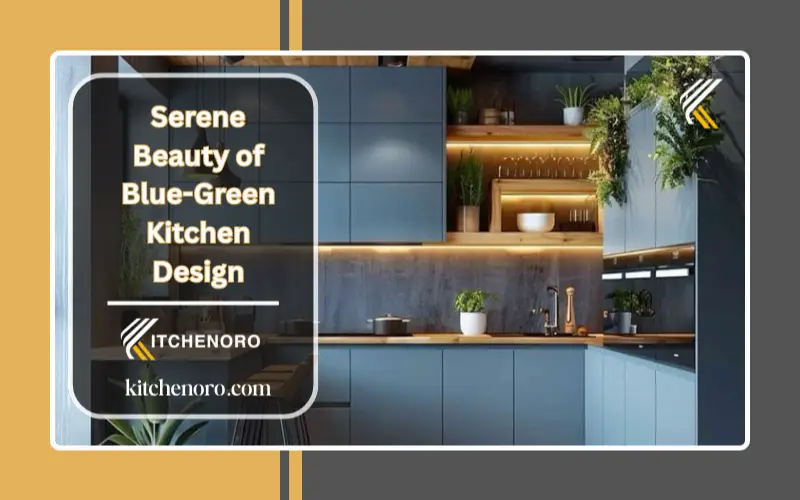
In today’s world of home design, color is no longer just decorative—it communicates mood, lifestyle, and personality. Among the most refined and emotionally resonant palettes shaping modern interiors is blue-green kitchen design, a harmonious blend that evokes tranquility, creativity, and timeless sophistication.
From soft sage and airy aqua to rich teal and deep emerald, blue-green tones draw inspiration from the sea, sky, and natural foliage. These hues bring the outdoors inside, creating kitchens that feel calm yet expressive. Whether used in coastal retreats, urban apartments, or classic country homes, blue-green proves that the right color choice can transform a kitchen into a serene and functional centerpiece.
What Is Blue-Green Kitchen Design?
Blue-green kitchen design uses colors that sit between blue and green—such as teal, sage-blue, seafoam, and marine tones—to create a balanced, nature-inspired aesthetic. This palette blends the calming qualities of blue with the freshness of green, resulting in kitchens that feel serene, timeless, and adaptable across modern, coastal, rustic, and traditional styles.
Because blue-green tones pair effortlessly with both warm and cool materials, they offer long-term flexibility that trend-driven colors often lack.
Who This Guide Is For
This guide is designed for:
-
Homeowners planning a kitchen remodel or color refresh
-
Buyers seeking timeless cabinet colors with strong resale appeal
-
Designers selecting versatile, nature-inspired palettes
-
Anyone unsure whether blue or green cabinetry is right for their space
Who Blue-Green Kitchen Design May Not Be Ideal For
While highly versatile, blue-green kitchens may not be the best choice if:
-
Your kitchen lacks sufficient natural or layered lighting
-
You prefer ultra-minimal, high-contrast white interiors
-
Your flooring has strong red or orange undertones
-
You frequently redecorate and need maximum neutrality
In these cases, warm neutrals or wood-dominant kitchens may offer better flexibility.
Blue-Green Kitchen Design – The Quick Answer:
Blue-green kitchen design blends the calming qualities of blue with the freshness of green to create a balanced, nature-inspired kitchen aesthetic. These colors work across modern, coastal, rustic, and traditional kitchens, offering visual depth, emotional comfort, and timeless elegance while remaining highly functional for everyday living.
Why Homeowners Are Searching for Blue-Green Kitchens
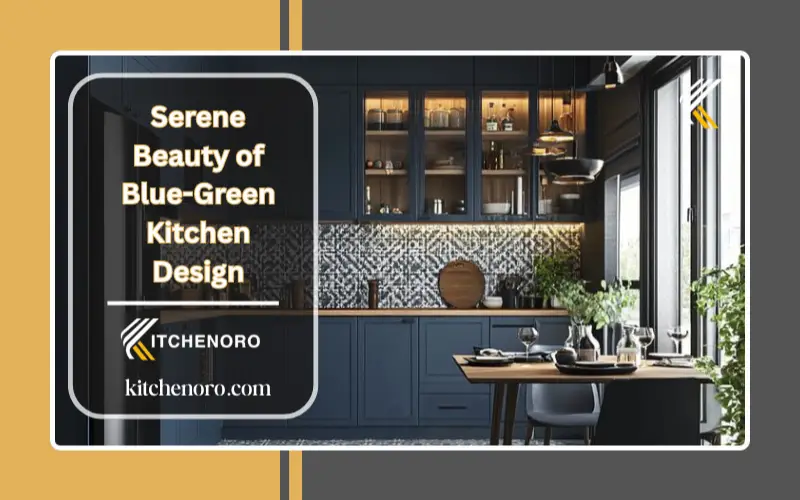
Homeowners increasingly search for blue-green kitchen design because they want a cabinet color that feels distinctive without being risky. Many are choosing between blue or green cabinetry and want reassurance that their choice will remain timeless, photograph well, and support resale value.
Blue-green solves this dilemma by delivering personality without polarization.
Key Takeaways at a Glance
-
Blue-green kitchens feel calm, balanced, and visually sophisticated
-
These tones work across nearly every kitchen style
-
Blue-green cabinetry offers better longevity than trend-driven colors
-
Light shades expand small kitchens, while dark tones add luxury
-
Proper lighting and contrast are essential for success
-
Blue-green kitchens have strong resale appeal when thoughtfully designed
Why Choose Blue-Green Kitchen Cabinets?
The Psychology of Color
Blue promotes calm and clarity, while green represents balance and renewal. Together, they create an environment that supports comfort, creativity, and daily routines—making blue-green ideal for kitchens.
A Designer Favorite
Designers favor blue-green cabinetry because it adds depth without overwhelming a space. It pairs beautifully with wood, stone, and modern metals and remains relevant far longer than bold trend colors.
Exploring the Blue-Green Spectrum
Light and Airy Shades
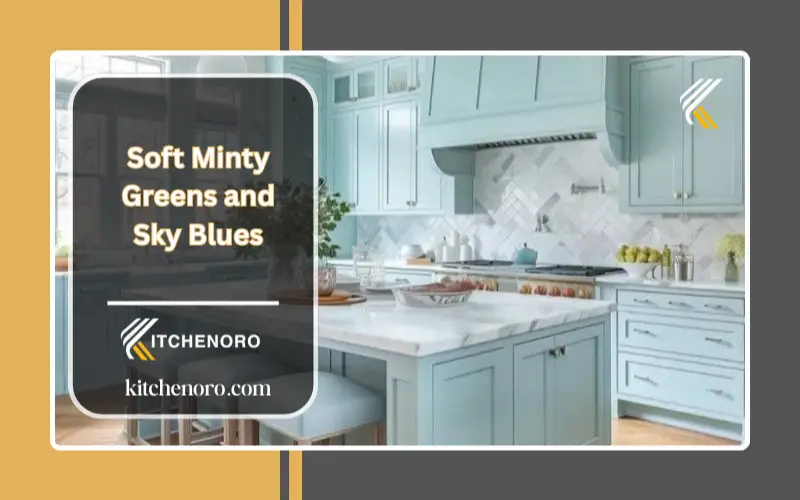
Soft mint, pale aqua, and light sage-blue expand small kitchens and reflect light beautifully.
Deep and Dramatic Tones
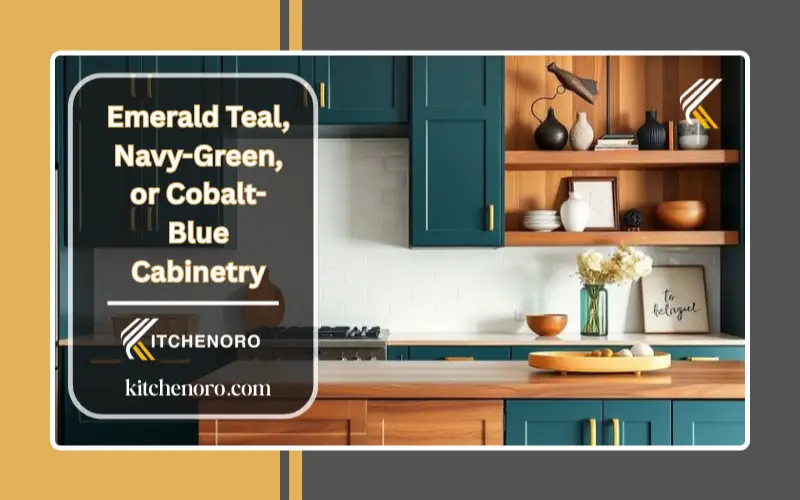
Emerald teal, navy-green, and marine blue create luxury and drama when paired with brass hardware and stone countertops.
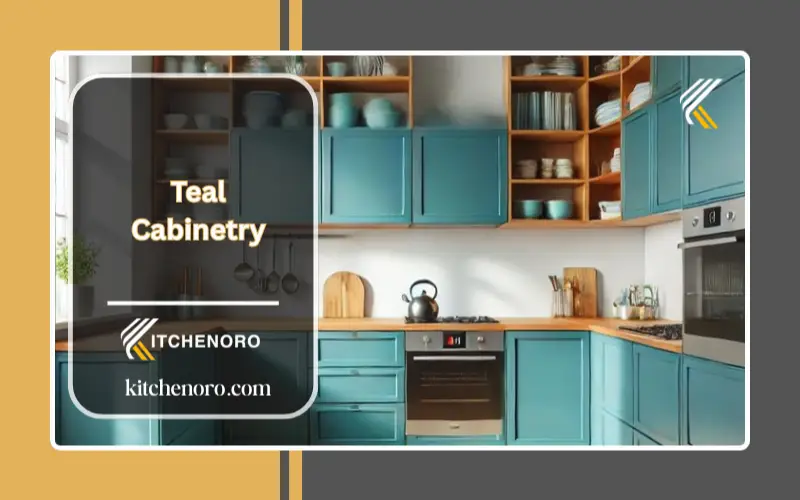
The Timeless Appeal of Teal
Teal sits perfectly between blue and green, shifting naturally with pendant lighting and adding visual movement throughout the day.
Understanding Undertones Before Choosing Blue-Green
-
Gray-based blue-greens work best in modern and transitional kitchens
-
Yellow-based green-blues pair well with warm woods and brass
-
Blue-dominant teals suit coastal and contemporary spaces
Always test cabinet samples beside flooring and countertops under both daylight and evening lighting.
Light vs Dark Blue-Green Cabinets
| Feature | Light Blue-Green | Dark Blue-Green |
|---|---|---|
| Best For | Small kitchens, apartments | Large kitchens, statement spaces |
| Mood | Fresh, airy | Dramatic, elegant |
| Lighting Needs | Minimal | Layered lighting required |
| Resale Appeal | Very high | High when balanced |
| Pair With | Light wood, white quartz | Brass, marble, warm woods |
Design Styles That Shine with Blue-Green
-
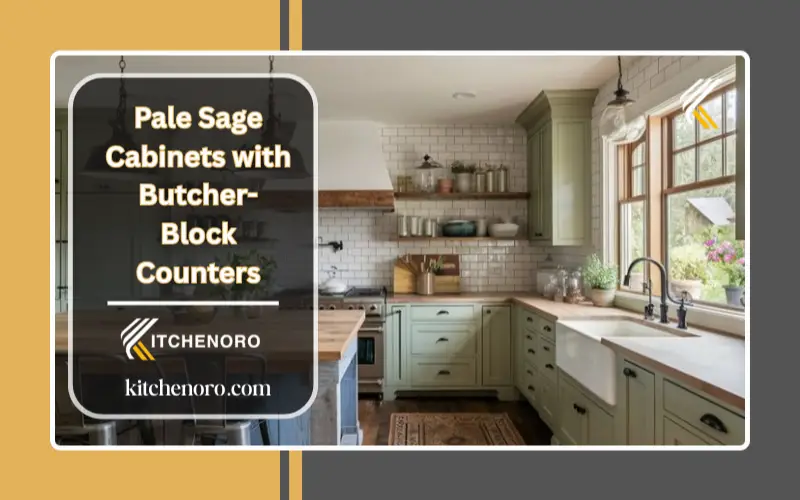
Cottage Charm: Pale sage, butcher-block counters, beadboard
-
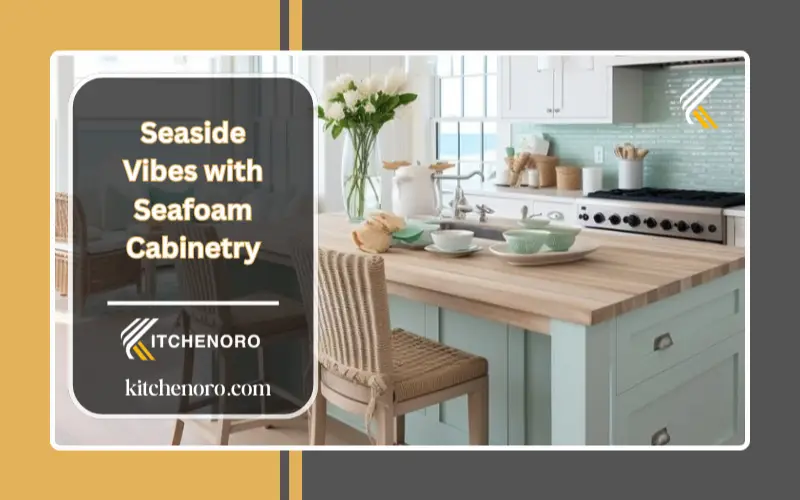
Coastal Serenity: Seafoam cabinets, white quartz, nickel finishes
-
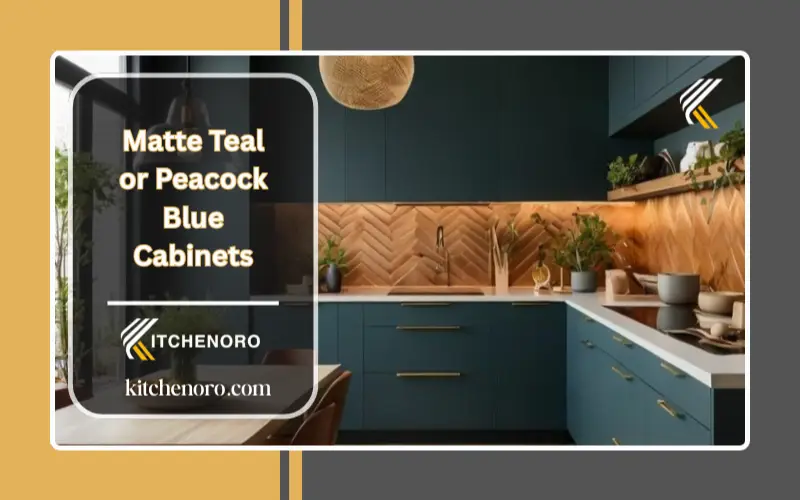
Modern Minimalism: Matte teal, flat panels, black hardware
-
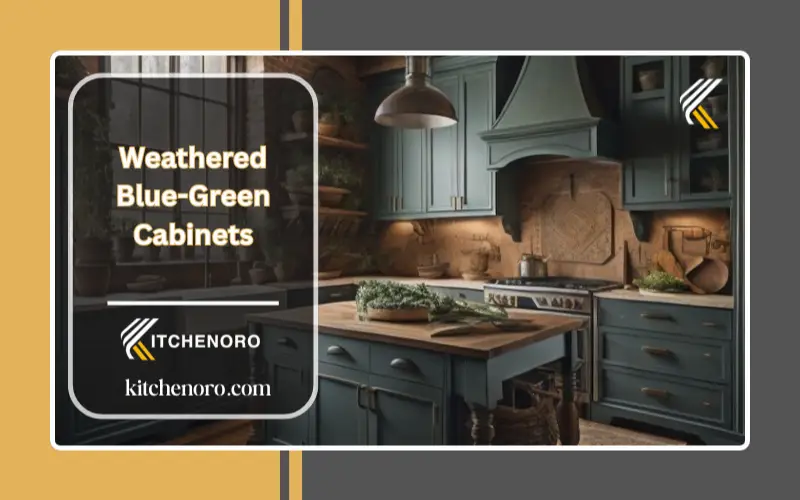
Rustic Retreat: Weathered blue-green, exposed beams, copper
-
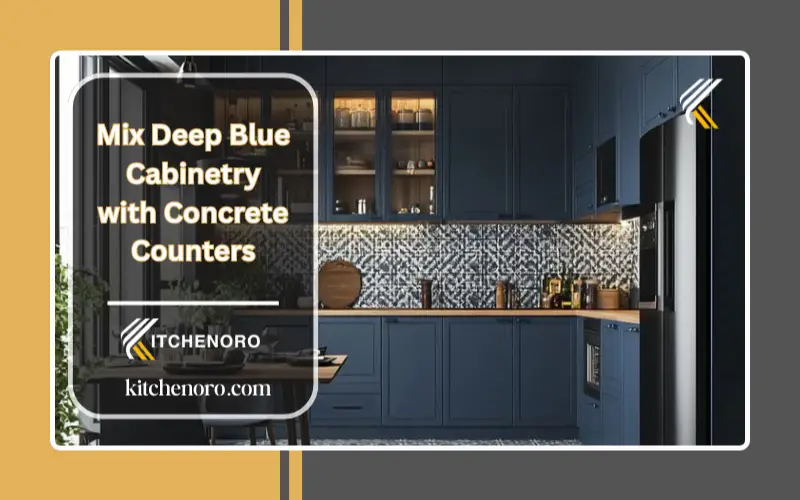
Industrial Luxe: Deep teal, concrete, steel accents
-
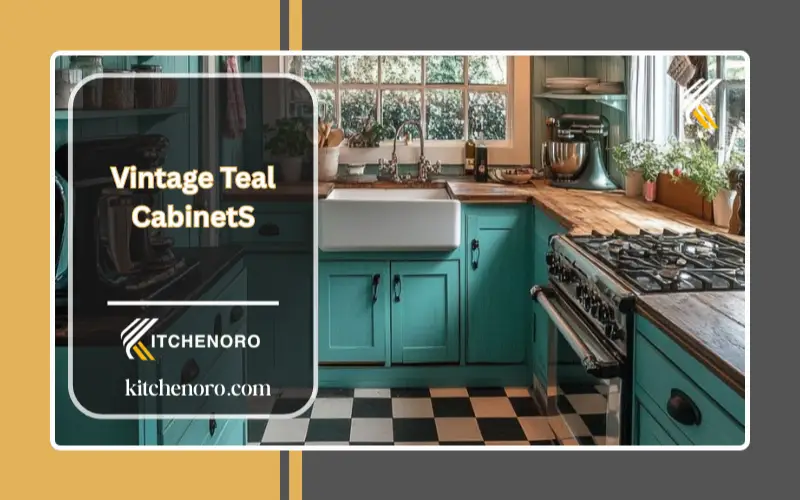
Mid-Century Modern: Vintage teal, walnut, geometric flooring
Essential Design Elements for Balance
Cabinetry and Trim
Extending blue-green to islands or trim adds cohesion without overpowering.
Backsplashes and Tile
-
Subway tile for contrast
-
Scalloped or mosaic tile for texture
-
Soft patterns to add movement
Countertops and Materials
Balance cool cabinetry with warmth using oak, walnut, brass, marble, or quartz.
Cabinet Finishes and Sheen Selection
-
Satin or soft-matte: Most forgiving and modern
-
Semi-gloss: Traditional and moisture-resistant
-
Full matte: Designer-forward, requires premium cabinetry
Avoid chalky finishes unless properly sealed.
Lighting Strategies for Blue-Green Kitchens
-
Ambient: Recessed ceiling lights prevent color absorption
-
Task: Under-cabinet LEDs for prep visibility
-
Accent: Toe-kick and glass cabinet lighting for depth
-
Color Temperature: 2700K–3000K for warmth and balance
Accessibility and Visibility Considerations
-
Use high-CRI (90+) lighting
-
Avoid very dark uppers in small kitchens
-
Balance dark cabinetry with light countertops
-
Ensure task lighting meets safety standards
Pros and Cons of Blue-Green Kitchen Design
Pros
-
Timeless and trend-resistant
-
Complements warm and cool materials
-
Hides wear better than white
-
Works in small and large kitchens
Cons
-
Dark shades require good lighting
-
Undertones must match flooring
-
Overuse without contrast can feel heavy
Common Blue-Green Kitchen Design Mistakes
-
Pairing cool cabinets with overly warm floors
-
Using dark tones without layered lighting
-
Ignoring undertones in stone and tile
-
Applying the same tone everywhere without contrast
Creating Flow Throughout the Home
In open layouts, repeat blue-green accents through rugs, artwork, or décor. Neutral walls allow cabinetry to shine without overwhelming adjoining spaces. Natural textures reinforce calm and continuity.
Practical Considerations
Maintenance and Durability
Blue-green cabinets hide fingerprints and daily wear better than white, especially with quality finishes.
Sustainability and Material Responsibility
Low-VOC paints, reclaimed wood, and recycled stone improve indoor air quality while supporting eco-conscious design.
Cost, Resale Value, and Buyer Psychology
Blue-green kitchens rarely increase material costs and often increase perceived value. Buyers view them as:
-
Custom and thoughtfully designed
-
Calm and inviting
-
Higher-end than all-white kitchens
Beyond the Kitchen
-
Bathrooms: Spa-like calm
-
Living Rooms: Elegant built-ins
-
Home Offices: Focus-enhancing serenity
Designer-Inspired Case Studies
-
deVOL Kitchens: Layered blue-green with painterly depth
-
Raili Clasen: Soft teal paired with warm woods
-
Abbie Naber: Rich blue cabinets with brass hardware
FAQs
1) Do Blue and Green Work Well in a Kitchen?
Yes. Together they create calm, balance, and versatility.
2) Is blue or green better for kitchen cabinets?
I love how greenish cabinets with a hint of blue give any kitchen more charm and warmth. The mix pairs beautifully with handles, appliances, and stained wood, creating a woodsy feeling that feels nice and natural. This look adds leeway for design choices, and the green tones plus texture of the cabinet make the space truly stand out.
3) Are Green Cabinets Worth It?
When I painted my cabinets a greenish mix of blue, the color instantly lifted my kitchen’s look. Starting with the island was a surefire way to test how the verdant coat would match my existing finishes and fixtures. The result felt both classic and trend-forward, proving that the right shade can create harmony and contain boldness in perfect balance.
4) What is the best color of green for cabinets?
In my kitchen, I’ve learned that Green tones like Sage and Moss create an earthy, calming, and inviting feel. Lighter hues such as Mint or Pistachio keep things soft and airy, while deeper shades like Hunter, Olive, Forest, or Emerald bring warmth and timeless elegance.
How We Verify Kitchen Design Recommendations
All guidance is based on real renovation projects, professional color theory, and long-term performance data. Content is reviewed by certified designers for usability, durability, sustainability, and resale value.
Conclusion: Timeless Harmony Through Color
Blue-green kitchen design is more than a trend—it is a lasting expression of balance, serenity, and confidence. With thoughtful planning, layered materials, and proper lighting, this palette creates kitchens that feel deeply personal and effortlessly elegant.
Thinking of Updating Your Kitchen?
Kitchenoro specializes in custom kitchen design, premium cabinetry, and countertop installation—ensuring color harmony, durability, and flawless execution from concept to completion.
Request a consultation and bring your blue-green kitchen vision to life.
About Kitchenoro
Kitchenoro is your trusted partner for complete kitchen remodeling, renovation, and elegant design. We specialize in premium cabinet installation, countertops, and transforming kitchens into luxurious, functional spaces. With expert craftsmanship and tailored solutions, Kitchenoro turns your vision into reality. Contact us to elevate your kitchen’s style and functionality!