
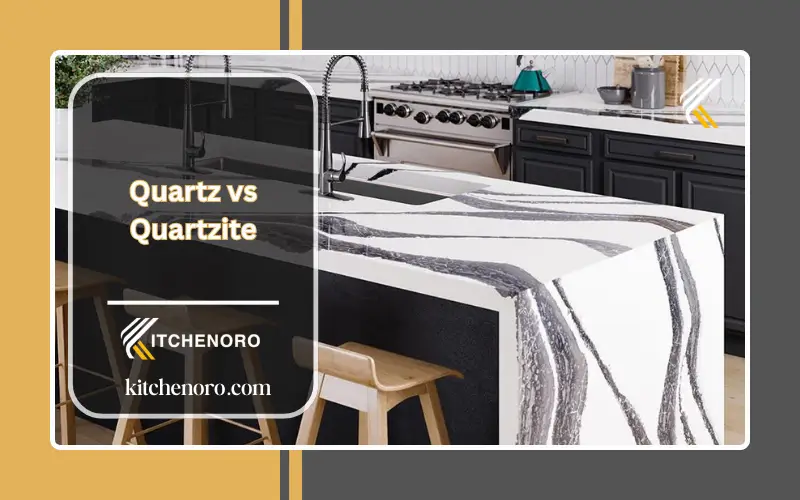
When I first began researching countertops for my own remodeling project, I felt the same confusion many homeowners experience. Quartz and quartzite sound almost identical, yet once you look beyond the name, they are fundamentally different materials.
Both are beautiful, durable, and widely used in kitchens and bathrooms. However, their composition, performance, maintenance requirements, cost, and long-term value vary significantly. Understanding these differences makes choosing the right countertop far easier and helps prevent expensive mistakes later.
This guide explains everything you need to know so you can confidently choose the surface that best fits your lifestyle, cooking habits, design preferences, and budget.
Quartz or Quartzite? Discover the Powerful Difference- Quick Answer:
Quartz is an engineered, non-porous countertop surface known for low maintenance, consistent appearance, and affordability.
Quartzite is a natural stone valued for exceptional heat resistance, unique veining, and long lifespan, but it requires regular sealing and more care.
The right choice depends on how you cook, clean, and use your space.
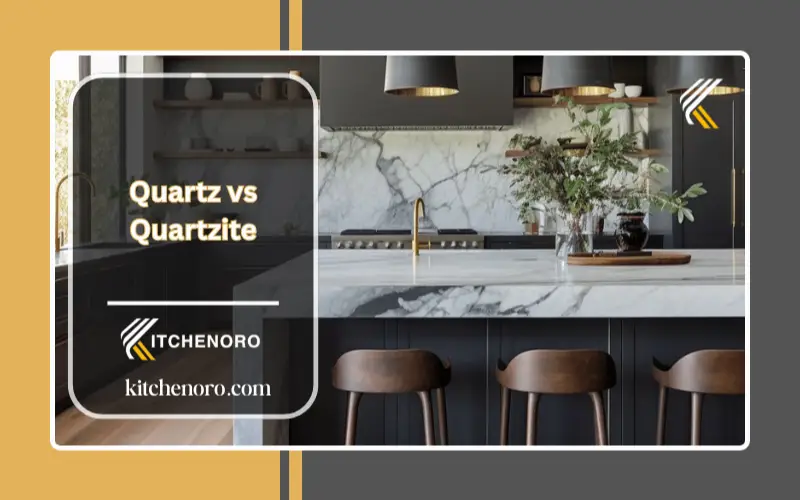
Quick Decision Summary Box
Still unsure which one to choose? Use this quick guide:
-
Choose quartz if you want a low-maintenance surface, predictable design, and peace of mind in a busy household.
-
Choose quartzite if you cook often with high heat, want natural stone character, and are comfortable with sealing.
If ease and consistency matter most, quartz wins.
If authenticity and longevity matter most, quartzite stands out.
Quartz vs Quartzite at a Glance
| Feature | Quartz | Quartzite |
|---|---|---|
| Material Type | Engineered surface | Natural stone |
| Maintenance | Very low | Moderate to high |
| Sealing Required | No | Yes |
| Heat Resistance | Moderate | Excellent |
| Appearance | Consistent and modern | Natural and one of a kind |
| Cost Range | Affordable to mid-range | Premium |
| Best For | Busy households | Luxury and heat-heavy kitchens |
Who Should Choose Which Material
Choose quartz if you want:
-
Minimal maintenance
-
No sealing requirements
-
Consistent color and pattern
-
A budget-friendly long-term solution
Choose quartzite if you want:
-
Natural stone beauty
-
Superior heat resistance
-
Longest possible lifespan
-
A statement surface with organic movement
What Is Quartz
Quartz countertops are engineered surfaces made from approximately 90 to 95 percent natural quartz minerals combined with resin binders and pigments. This controlled manufacturing process produces slabs that are strong, uniform, and designed for everyday residential use.
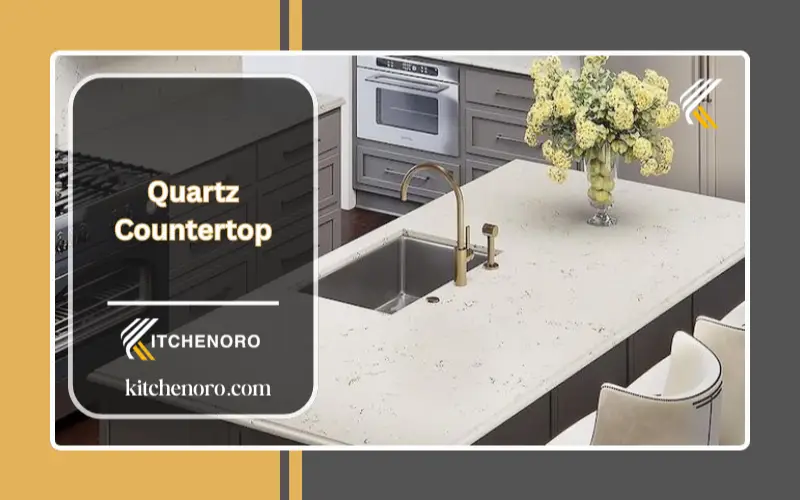
Because quartz is non-porous, it does not absorb water, oils, or food spills. This makes it one of the most hygienic countertop materials available and a top choice for busy kitchens and bathrooms.
From professional experience, quartz consistently appeals to homeowners who want a reliable, worry-free surface without sealing, staining concerns, or unpredictable variation.
What Is Quartzite
Quartzite is a natural stone formed when sandstone undergoes extreme heat and pressure deep within the Earth’s crust. This metamorphic process fuses quartz grains into an exceptionally dense and durable stone.
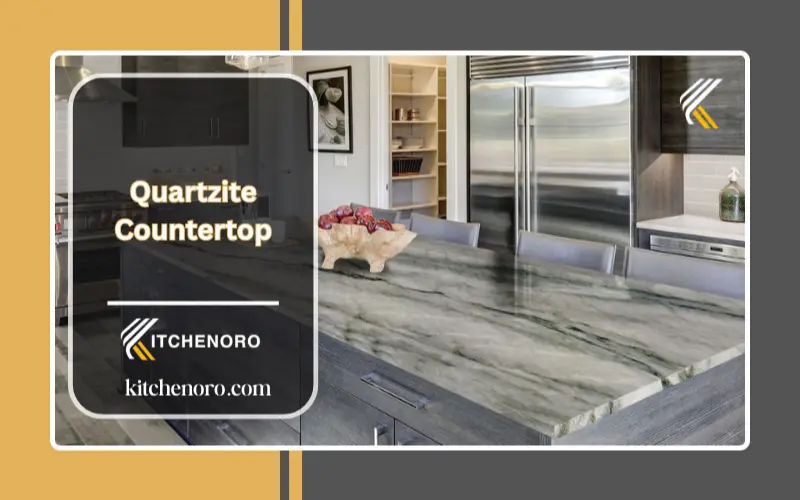
Unlike engineered materials, quartzite slabs are quarried directly from the earth. Each slab features unique veining, mineral movement, and natural color variation that cannot be replicated.
Many designers source quartzite from suppliers such as MSI Surfaces because of its wide selection of dramatic, one-of-a-kind slabs.
Visual Appearance and Surface Character
| Aspect | Quartz | Quartzite |
|---|---|---|
| Origin | Engineered | Natural stone |
| Pattern | Uniform and predictable | Organic and unique |
| Color Range | Wide due to pigments | Natural whites, grays, beiges |
| Overall Look | Clean and contemporary | Timeless and organic |
| Surface Feel | Smooth and even | Subtle texture and depth |
Quartz excels in modern interiors where consistency matters. Quartzite delivers authenticity and visual depth that many homeowners feel adds warmth and character to a space.
Performance and Durability Comparison
| Feature | Quartz | Quartzite |
|---|---|---|
| Porosity | Non porous | Porous unless sealed |
| Heat Resistance | Moderate | Excellent |
| Scratch Resistance | High | Very high |
| Stain Resistance | Excellent | Good when sealed |
| Mohs Hardness | Around 7 | Around 7 to 8 |
| Overall Durability | Strong and resilient | Extremely tough and long-lasting |
Real-life example: Quartz can discolor or crack if a hot pan is placed directly on the surface. Quartzite easily tolerates high heat, making it a safer option for frequent cooking and entertaining.
Expert Fabricator Insight
“The biggest mistake I see is homeowners choosing quartz for heat-heavy kitchens or assuming quartzite behaves like granite. Both materials are excellent, but only when matched correctly to cooking habits and maintenance expectations.”
— Daniel Moore, Certified Stone Fabricator (15+ Years Experience)
Care and Maintenance Requirements
| Aspect | Quartz | Quartzite |
|---|---|---|
| Sealing | Not required | Required periodically |
| Daily Cleaning | Mild soap and water | Mild soap and water |
| Stain Risk | Very low | Moderate if unsealed |
| Maintenance Level | Low | Medium to high |
One homeowner shared that their quartz countertops survived years of spills, kids, and rushed mornings without a single stain. Another described how their sealed quartzite island became the visual centerpiece of every family gathering.
Installation Differences
| Aspect | Quartz | Quartzite |
|---|---|---|
| Slab Consistency | Uniform | Natural variation |
| Fabrication | Predictable | Requires advanced expertise |
| Installation Risk | Lower | Higher if mishandled |
Natural stone installation requires experienced fabricators to prevent cracking, chipping, or structural stress. Both materials should always be installed by qualified professionals.
Cost Comparison
| Feature | Quartz | Quartzite |
|---|---|---|
| Average Cost per Sq Ft | 40 to 100 dollars | 80 to 220 dollars |
| Availability | Widely available | Quarry dependent |
| Design Flexibility | Very high | Limited to nature |
| Overall Value | Practical and cost-efficient | Premium and luxurious |
Quartz is typically more budget-friendly. Quartzite commands a higher price due to quarrying, transportation, and fabrication complexity.
Quartz and Quartzite vs Granite
Many homeowners also compare quartz and quartzite with granite. While granite is a natural stone like quartzite, it sits between the two in both performance and maintenance.
Granite offers strong heat resistance and natural variation but is generally softer than quartzite and more porous. Quartz requires the least maintenance, granite requires occasional sealing, and quartzite requires the most attention but delivers the longest lifespan.
In simple terms:
-
Quartz is the easiest to live with
-
Granite is the middle ground
-
Quartzite is the most durable and premium
Lifespan and Long-Term Performance
| Feature | Quartz | Quartzite |
|---|---|---|
| Expected Lifespan | 20 to 60 years | 50 to 100 years |
| Aging Behavior | Stable, resins may fade | Ages naturally |
| Replacement Likelihood | Low | Very low |
Quartzite often outlasts engineered surfaces, while quartz delivers excellent long-term value with far less maintenance.
Water and Heat Protection
| Feature / Property | Quartz | Quartzite |
| Material Type | Engineered surface made with resin binder | Natural stone |
| Water Resistance | Excellent due to repellent and sealant properties | Porous, needs to be sealed regularly |
| Heat Resistance | Can melt around 300 degrees Fahrenheit due to binder vulnerability | Strong heat-resistance, can handle hot pots and pans |
| Maintenance | Low — less susceptible to moisture and staining | Higher — must seal and protect from oils and liquids |
| Ideal Locations | Kitchen and bathroom with frequent use, but have limited direct heat | Kitchen countertops where high temperatures are common |
Style and Application
Quartz is ideal for
-
Modern kitchens
-
Bathrooms
-
Backsplashes
-
Indoor living spaces
Quartzite is ideal for
-
Luxury kitchens
-
Outdoor kitchens
-
Fireplace surrounds
-
Statement islands and waterfall edges
Design professionals often reference performance guidance from Daltile when selecting materials for heat-exposed or high-use spaces.
Common Mistakes to Avoid
-
Choosing quartz for areas exposed to direct high heat
-
Skipping sealing on quartzite countertops
-
Assuming all white stones are quartzite
-
Hiring installers without natural stone experience
Avoiding these mistakes can save thousands in repairs or replacement.
Buyer Warning Callout
Important: Many slabs sold as “quartzite” are actually marble or dolomite. Always ask for material verification and water absorption testing before purchase.
This single step prevents long-term staining and disappointment.
Quick Pros and Cons Snapshot
Quartz Pros
-
No sealing required
-
Highly stain-resistant
-
Consistent appearance
-
More affordable
Quartz Cons
-
Lower heat resistance
-
Not a natural stone
Quartzite Pros
-
Exceptional heat resistance
-
One of a kind natural beauty
-
Extremely long lifespan
Quartzite Cons
-
Requires sealing
-
Higher cost
-
Installation must be expert level
FAQs
1) What is better, quartzite or quartz?
From my work with kitchen spaces, Quartz is often preferred since it’s sealed, mixed with materials that eliminate porosity, making it harder and durable. Quartzite, though natural and beautiful, is porous and requires sealing to maintain strength and luster over long periods.
2) What is the downside of quartzite?
In my experience, Quartzite is a stunning stone but quite expensive. Its cost is often higher than granite, man-made quartz, or marble because of its rarity and durability. Though very hard, it’s also porous and can absorb liquids if not sealed properly. Many homeowners love this countertop for its natural beauty, but in the market, it’s a premium choice that requires extra care to maintain.
3) What is cheaper, granite, quartz or quartzite?
From my experience, granite, quartz, and quartzite differ mostly in cost and price. Quartz is often found in a range of $75 to $200 per square foot installed, averaging around $125. Granite usually tends to be cheaper, typically found between $65 and $100 per square foot. Quartzite typically costs more because it’s harder to cut and finish, but its natural beauty often justifies the extra cost.
Lifestyle-Based Final Recommendation
Best Choice by Lifestyle
-
Busy families with kids: Quartz
-
Frequent home cooks: Quartzite
-
Minimal cleaning preference: Quartz
-
Luxury or custom kitchens: Quartzite
-
Outdoor or heat-exposed spaces: Quartzite
-
Budget-focused remodels: Quartz
This lifestyle-based approach helps homeowners avoid choosing a surface that looks great but does not match how the space is actually used.
Final Buyer Checklist Before You Decide
Before choosing quartz or quartzite, ask yourself:
-
Do I regularly place hot pans on the counter?
-
Am I willing to reseal stone once or twice a year?
-
Do I prefer uniform design or natural variation?
-
Is my kitchen used lightly or heavily every day?
-
Am I prioritizing convenience or long-term durability?
Conclusion
Both quartz and quartzite countertops offer beauty, durability, and value, but they suit different lifestyle needs. Quartz is manufactured, affordable, and low-maintenance, ideal for indoor kitchen spaces where work and worry are minimal. Its pigmented surfaces allow for custom color, pattern, and design, making it a stylish investment with great resale potential.
Quartzite, a natural stone, brings unmatched depth, detail, and quality from Mother Nature. Though it needs sealing and more maintenance, it handles temperatures, abrasion, and impact well. Each quarried slab, often sourced from distant quarries, shows dynamic greens, blues, or reds, offering a premium look that enhances any home.
Need Help Choosing the Right Surface?
Choosing between quartz and quartzite is not just about looks — it’s about how your kitchen functions every day.
Kitchenoro’s countertop specialists help homeowners select, fabricate, and install the right surface based on cooking habits, layout, and long-term goals. A quick expert consultation can prevent expensive mistakes and ensure your kitchen performs as beautifully as it looks.
Sources and References
Natural Stone Institute
Marble Institute of America
MSI Surfaces
Daltile
Disclaimer
Material performance, pricing, and maintenance requirements may vary depending on manufacturer, installer, and household usage. Always consult a qualified professional before final material selection.
Final Expert Recommendation
From a fabrication and performance standpoint, neither material is universally better. Quartz performs best for homeowners who prioritize convenience and predictability. Quartzite performs best for homeowners who value natural stone performance and timeless character.
Choosing the right material is not about trends. It is about matching the surface to how you live.
About Kitchenoro
Kitchenoro is your trusted partner for complete kitchen remodeling, renovation, and elegant design. We specialize in premium cabinet installation, countertops, and transforming kitchens into luxurious, functional spaces. With expert craftsmanship and tailored solutions, Kitchenoro turns your vision into reality. Contact us to elevate your kitchen’s style and functionality!