
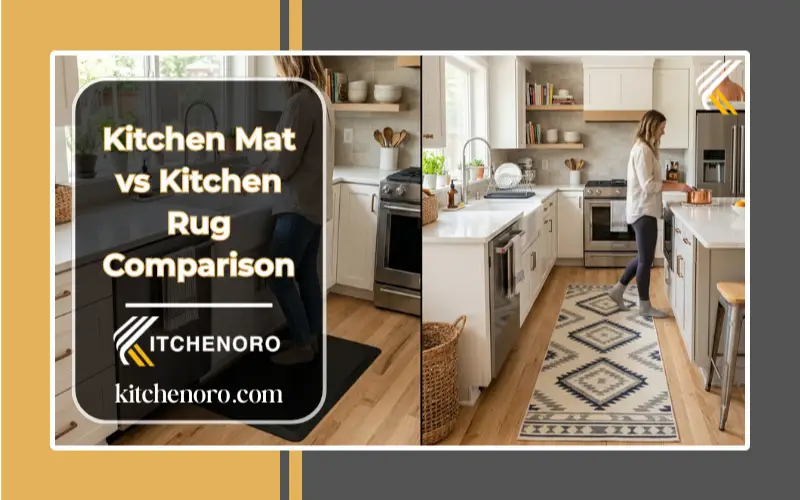
Choosing between a kitchen mat and a kitchen rug sounds easy at first, but many homeowners end up regretting their decision after a few weeks of daily use. Some people buy a beautiful decorative rug only to struggle with stains, trapped crumbs, and constant cleaning. Others choose a cheap kitchen mat for comfort but later notice flattened foam, curled edges, or poor support while cooking. If you spend a lot of time in the kitchen, you have probably experienced sore feet, tired legs, or lower back discomfort from standing on hard tile or hardwood floors for long periods. At the same time, most homeowners also want their kitchens to feel warm, stylish, and inviting instead of overly plain or purely functional.
After analyzing expert recommendations, flooring safety advice, homeowner discussions, and real kitchen experiences, one thing becomes clear: there is no single perfect option for every kitchen. The right choice depends on how often you cook, your kitchen layout, flooring type, cleaning habits, and the level of comfort or style you want. Many home cooks eventually prefer anti-fatigue kitchen mats near sinks and prep areas because the cushioning feels noticeably better during long cooking sessions. Meanwhile, design-focused homeowners often prefer washable kitchen runner rugs because they add texture, warmth, and personality to the space. In this guide, you will learn the real difference between a kitchen mat and a kitchen rug, along with which option works best for comfort, cleaning, safety, hardwood floors, family homes, and modern kitchen styles. A well-designed kitchen should feel both comfortable and organized, which is why many homeowners also focus on improving their overall kitchen storage and layout systems alongside floor décor choices.
Kitchen Mat vs Kitchen Rug- Quick Answer:
A kitchen mat is usually better for comfort, support, and easy cleaning. A kitchen rug is better for warmth, decoration, and visual style. Many homeowners use both together to balance comfort and design. If you cook often or stand for long periods, an anti-fatigue kitchen mat is often the better choice. If you want a cozy and stylish kitchen, a washable kitchen rug or runner may work better.
Key Takeaways
- Kitchen mats are better for comfort and long cooking sessions.
- Kitchen rugs are better for warmth and decorative style.
- Anti-fatigue mats work best near sinks and prep stations.
- Washable low-pile rugs are easier to maintain in busy kitchens.
- Non-slip backing is important for both rugs and mats.
- Many homeowners use both together for comfort and design balance.
What Is the Difference Between a Kitchen Mat and a Kitchen Rug?
A kitchen mat is mainly designed for comfort and floor protection. Most kitchen mats have a cushioned or anti-fatigue design. They are often waterproof and easy to wipe clean.
A kitchen rug focuses more on warmth and decoration. Kitchen rugs come in different colors, textures, and patterns. Many are soft underfoot and help make the kitchen feel more inviting.
Here is a simple comparison.
| Feature | Kitchen Mat | Kitchen Rug |
|---|---|---|
| Main purpose | Comfort and support | Style and warmth |
| Material | Foam, rubber, PVC | Cotton, wool, jute |
| Cleaning | Easy to wipe | Often machine washable |
| Water resistance | High | Moderate |
| Comfort for standing | Excellent | Moderate |
| Decorative value | Moderate | High |
| Slip resistance | Usually strong | Depends on backing |
Kitchen Mat vs Kitchen Rug: Quick Comparison
Before choosing between the two, it helps to compare their strengths side by side.
| Category | Kitchen Mat | Kitchen Rug |
|---|---|---|
| Best for long cooking sessions | Yes | No |
| Best for farmhouse kitchens | No | Yes |
| Best for easy cleaning | Yes | Moderate |
| Best for cozy look | Moderate | Excellent |
| Best for back pain | Excellent | Limited |
| Best for hardwood floors | Good with safe backing | Good with rug pad |
| Best for modern kitchens | Yes | Yes |
| Best for busy families | Excellent | Moderate |
Kitchen Mat vs Kitchen Rug: Best Choice by Priority
| If You Want… | Better Option |
|---|---|
| More comfort while cooking | Kitchen mat |
| Easier cleaning | Kitchen mat |
| Better kitchen style | Kitchen rug |
| Cozy farmhouse look | Kitchen rug |
| Less foot fatigue | Anti-fatigue mat |
| Better support for seniors | Non-slip mat |
| Decorative kitchen design | Runner rug |
| Safer high-traffic areas | Kitchen mat |
| Softer kitchen appearance | Kitchen rug |
Why Use a Kitchen Mat or Kitchen Rug?
Kitchen floors can feel cold and hard. Standing for long periods may also cause foot pain and lower back discomfort. A kitchen mat or rug can help solve these problems.
Better Comfort
An anti-fatigue kitchen mat may help reduce discomfort by encouraging small leg movements while standing. This can improve comfort during long cooking sessions.
Kitchen rugs also add softness, although they are usually thinner than anti-fatigue mats.
More Style
A kitchen rug can make the space feel warm and welcoming. It also adds texture and color to plain kitchen flooring.
Floor Protection
Both rugs and mats protect floors from scratches, spills, and daily wear.
Less Noise
Rugs help absorb sound. This is useful in open-concept kitchens with hard flooring surfaces.
Which Is Better for Long Cooking Sessions?
If you spend a lot of time cooking, a kitchen mat is usually the better choice.
Anti-fatigue kitchen mats are designed for people who stand for long periods. The cushioned surface supports comfort while cooking, washing dishes, or preparing meals.
Many home cooks say anti-fatigue mats feel noticeably better during meal prep, especially near the sink or stove area. This is one reason ergonomic kitchen mats have become popular in modern kitchens.
The American Podiatric Medical Association explains how supportive flooring surfaces may help reduce discomfort caused by standing for long periods.

Many home cooks prefer cushioned kitchen mats because they:
-
- reduce foot discomfort
-
- support the lower back
-
- improve standing comfort
-
- help reduce pressure on joints
Kitchen rugs feel softer than bare flooring, but they do not offer the same ergonomic support.
Best Choice
-
- For comfort → Kitchen mat
-
- For style → Kitchen rug
Kitchen Rug vs Anti-Fatigue Mat
Many homeowners compare kitchen rugs with anti-fatigue mats because both improve comfort. However, anti-fatigue mats are built specifically for support.
Anti-Fatigue Mat Benefits
-
- Thick cushioned core
-
- Waterproof surface
-
- Easy to clean
-
- Better for long standing hours
-
- Helps improve standing comfort
Kitchen Rug Benefits
-
- Decorative appearance
-
- Soft texture
-
- Cozy feeling
-
- Better design variety
-
- Works well in farmhouse kitchens
If comfort is your top priority, an anti-fatigue kitchen mat is usually the better investment.
Which Is Easier to Clean?
Cleaning is one of the biggest differences between kitchen mats and rugs.
Kitchen Mats
Kitchen mats are usually easier to maintain. Most are:
-
- waterproof
-
- stain resistant
-
- wipeable
-
- quick drying
Spills can often be cleaned with a damp cloth.
Kitchen Rugs
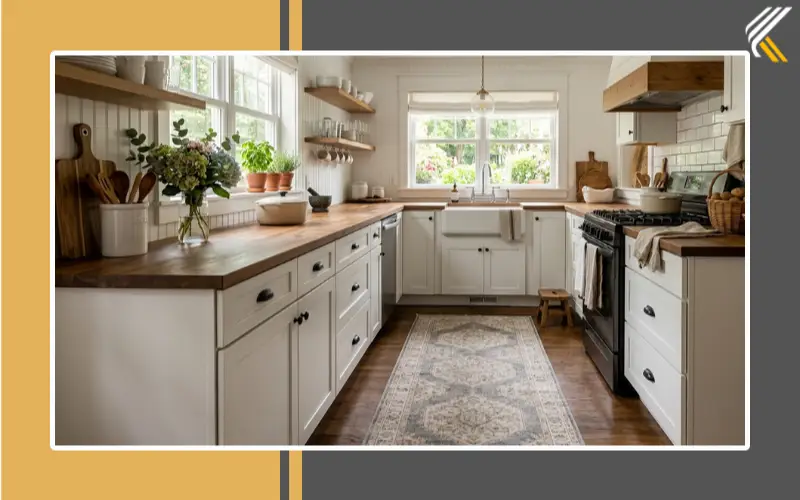
Kitchen rugs need more care because crumbs, grease, and food stains can build up over time.
However, many washable kitchen rugs are now machine friendly, which makes maintenance easier.
In real kitchens, maintenance often becomes the deciding factor. Many homeowners love the look of decorative kitchen rugs at first, but later switch to washable kitchen runner rugs because they are easier to vacuum and maintain during busy weeks.
For homes with pets or kids, machine-washable rugs are usually the most practical option.
Low-pile rugs work best in kitchens because they trap less dirt and dry faster.
| Cleaning Feature | Kitchen Mat | Kitchen Rug |
|---|---|---|
| Waterproof | Yes | Usually no |
| Machine washable | Sometimes | Often yes |
| Wipe clean | Yes | No |
| Drying time | Fast | Slower |
| Odor resistance | Better | Moderate |
Are Kitchen Rugs Hygienic?
Many people ask if kitchen rugs are sanitary. The answer depends on the material and cleaning routine.
A dirty rug can trap:
-
- crumbs
-
- grease
-
- moisture
-
- odors
However, washable low-pile rugs can still be hygienic when cleaned regularly.
To keep a kitchen rug clean:
-
- vacuum weekly
-
- wash regularly
-
- avoid thick shag rugs
-
- clean spills quickly
-
- use breathable rug pads
A common complaint from homeowners is that thick kitchen rugs can trap crumbs and odors over time. This is why many interior designers recommend low-pile or flatweave kitchen rugs for high-traffic cooking areas.
The cleaning experts at Good Housekeeping often recommend washable and low-maintenance materials for busy kitchens because they are easier to keep clean.
Kitchen mats are often easier to keep hygienic because many are waterproof and less absorbent than rugs.
Which Is Safer: Kitchen Mat or Kitchen Rug?
Safety matters in every kitchen.
A slippery rug or curled mat can become a tripping hazard.
Kitchen Mats
Most anti-fatigue mats include:
-
- non-slip backing
-
- beveled edges
-
- water-resistant surfaces
These features improve kitchen safety.
Kitchen Rugs
Kitchen rugs can slide if they do not have a proper rug pad underneath.
For better safety:
-
- choose non-slip backing
-
- use rug pads
-
- avoid thick edges
-
- keep rugs flat
Families with kids or elderly adults should focus on slip resistance first.
Best Option for Hardwood, Tile, and Vinyl Floors
Different flooring types need different protection.
Hardwood Floors
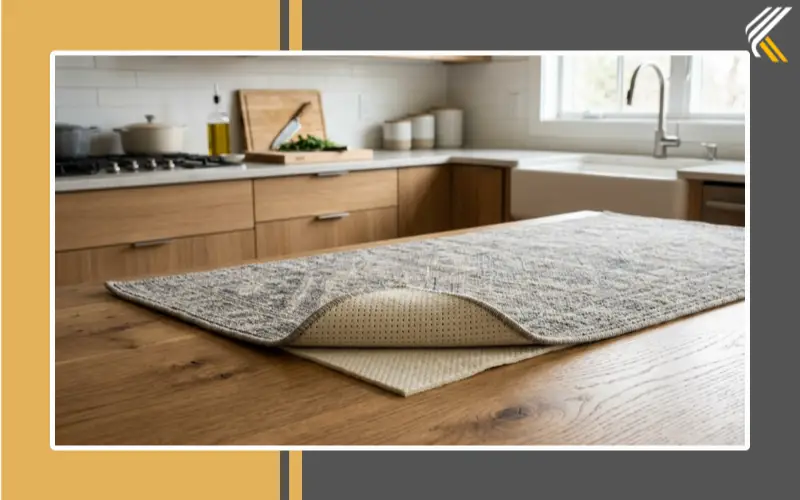
Use rugs or mats with non-staining backing. Washable rugs with breathable rug pads often work well on hardwood floors.
Some homeowners discover flooring issues only after using the wrong rug backing for several months. Certain rubber-backed mats may leave marks or trap moisture on sensitive floors. Because of this, flooring manufacturers often recommend breathable rug pads for hardwood surfaces.
The National Wood Flooring Association also advises homeowners to use floor-safe materials that allow airflow and reduce trapped moisture on wood flooring surfaces.
Tile Floors
Tile is hard and cold. Anti-fatigue kitchen mats provide excellent comfort on tile flooring.
Vinyl Floors
Some rubber-backed mats may discolor vinyl floors over time. Always check flooring manufacturer guidelines before using rubber-backed products.
Laminate Floors
Low-pile kitchen rugs with non-slip pads are usually the safest option.
Best Materials for Kitchen Mats and Rugs
The material affects comfort, durability, and maintenance.
PVC and Foam Mats
These materials are common in anti-fatigue kitchen mats.
Benefits include:
-
- waterproof protection
-
- cushioned support
-
- easy cleaning
Cotton Rugs
Cotton kitchen rugs are soft and washable. They work well in casual kitchens.
Polypropylene Rugs
Polypropylene rugs resist stains and moisture better than many natural fibers.
Jute Rugs
Jute rugs add texture and warmth. However, they may absorb spills more easily.
Rubber Mats
Rubber mats provide excellent grip and durability. They are often used in busy kitchens.
What Size Kitchen Rug Should You Choose?
Choosing the right rug size helps your kitchen feel balanced and functional. A rug that is too small may look awkward, while a large rug can become a tripping hazard in busy kitchens.
| Kitchen Area | Recommended Rug Size |
|---|---|
| Sink area | 2×3 rug |
| Galley kitchen | Runner rug |
| Kitchen island | 3×5 rug or runner |
| Small kitchen | Thin washable runner |
| Open-concept kitchen | Larger area rug |
In most cases, kitchen runner rugs work best in narrow kitchens because they create a clean visual flow without blocking walkways.
Why Low-Pile Rugs Work Best in Kitchens
Low-pile kitchen rugs are usually the most practical option for busy homes. Experts often recommend low-pile washable rugs in kitchens because they are easier to maintain.
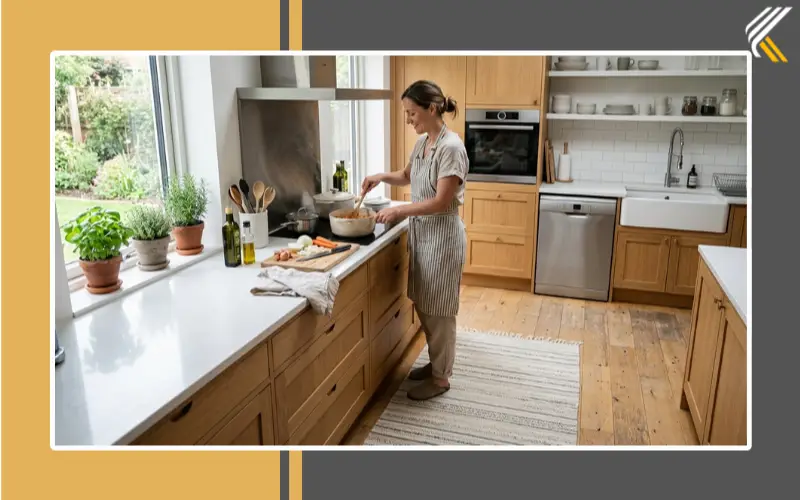
Benefits of low-pile rugs include:
-
- fewer crumbs trapped in fibers
-
- easier vacuuming
-
- faster drying
-
- less moisture buildup
-
- better door clearance
-
- lower tripping risk
Flatweave and washable kitchen runner rugs are popular choices because they combine style with easier maintenance.
Who Should Avoid Thick Kitchen Rugs?
Thick kitchen rugs may not work well for busy family kitchens, homes with elderly adults, high-spill cooking areas, or small kitchens with limited walking space. In most cases, low-pile rugs are safer, easier to clean, and more practical for everyday kitchen use.
Expert Tip
Interior designers and cleaning experts often recommend low-pile washable rugs for kitchens because they are easier to vacuum, dry faster, and reduce the risk of trapped moisture or odors in high-traffic cooking areas.
Best Choice for Families With Kids
Families with children usually need kitchen floor coverings that are easy to clean and safe for busy spaces.
In most cases, non-slip kitchen mats work better for family kitchens because they:
-
- reduce slipping risks
-
- clean quickly after spills
-
- resist stains better
-
- stay in place during heavy foot traffic
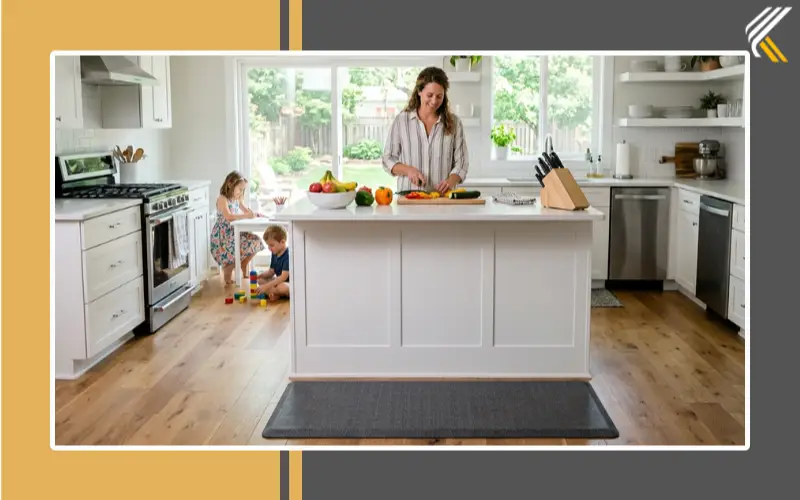
Washable kitchen runner rugs can also work well in family homes, especially in open-concept kitchens. However, low-pile rugs are usually the safest option because they are easier to vacuum and less likely to become a tripping hazard.
Best Option for Home Chefs and Bakers
People who cook daily often spend long hours standing near the sink, stove, or prep station. In this situation, an anti-fatigue kitchen mat is usually the best choice.
Cushioned kitchen mats may help improve comfort during:
-
- meal preparation
-
- baking sessions
-
- dishwashing
-
- food prep
Memory foam and ergonomic kitchen mats are popular because they provide extra support on hard tile floors.
If you enjoy baking or cooking every evening, a thick anti-fatigue kitchen floor mat can make a noticeable difference over time.
Best Kitchen Rugs and Mats for Small Kitchens
Small kitchens need floor coverings that improve comfort without making the space feel crowded.
Thin kitchen runner rugs are popular in:
-
- galley kitchens
-
- apartment kitchens
-
- narrow layouts
Light-colored rugs can also help small kitchens appear more open and airy.
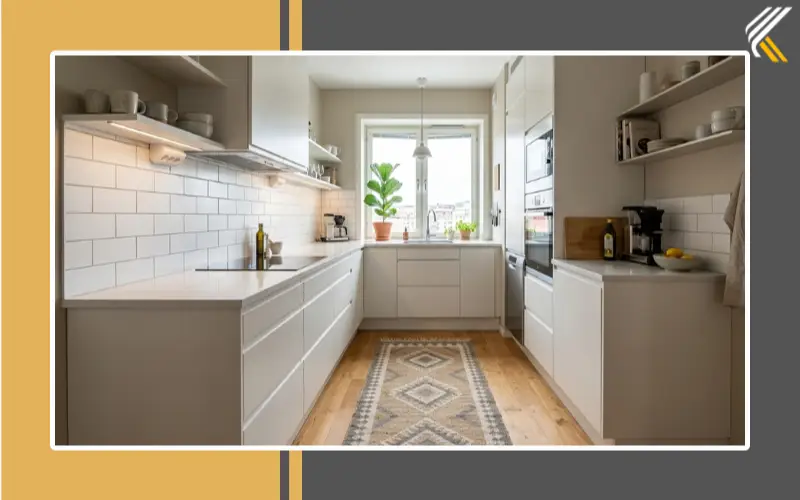
For compact spaces:
-
- avoid oversized rugs
-
- choose low-pile materials
-
- use slim runners for better flow
A small cushioned kitchen mat near the sink can also improve comfort without taking up too much floor space.
Best Choice for Seniors and Safety-Focused Homes
Safety becomes even more important in homes with seniors or people who need extra support while standing.
For safer kitchens, look for:
-
- non-slip kitchen mats
-
- beveled edges
-
- low-profile rugs
-
- cushioned anti-fatigue mats
Avoid thick rugs that may curl or slide easily.
In many cases, anti-slip kitchen mats are safer than decorative rugs because they provide better grip and stability on smooth flooring surfaces.
Best Kitchen Rugs for Hardwood Floors
Hardwood flooring needs extra protection in kitchens because moisture and heavy traffic can cause wear over time.
For hardwood floors, many homeowners prefer:
-
- low-pile washable rugs
-
- breathable rug pads
-
- non-staining backing materials
Avoid rugs or mats that trap moisture underneath.
Some rubber-backed kitchen mats may discolor certain hardwood or vinyl floors. Always check the flooring manufacturer’s recommendations before choosing a kitchen floor covering.
Best Washable Kitchen Rug Options
Washable kitchen rugs have become very popular because they combine style with easier maintenance.
The best washable kitchen rugs usually include:
-
- low-pile construction
-
- stain-resistant materials
-
- machine-washable fabrics
-
- non-slip backing
Washable kitchen runner rugs are especially useful in homes with:
-
- kids
-
- pets
-
- heavy cooking routines
-
- open-concept kitchens
Neutral colors and flatweave textures tend to work best for everyday kitchen use.
Best Kitchen Styles for Rugs vs Mats
Both options can fit different kitchen designs. In minimalist kitchens, homeowners often choose simple runner rugs and clean-lined mats that support a clutter-free and visually calm environment.
| Kitchen Style | Best Choice |
|---|---|
| Farmhouse | Vintage kitchen rug |
| Modern | Minimal anti-fatigue mat |
| Scandinavian | Neutral woven rug |
| Industrial | Rubber kitchen mat |
| Luxury kitchen | Cushioned designer mat |
| Rustic kitchen | Natural fiber rug |
A kitchen rug usually adds more personality, while a kitchen mat focuses more on function. Many homeowners pair decorative runner rugs with carefully styled open shelving to create a warmer and more balanced kitchen design.
Design Tips for Cozy and Modern Kitchens
Kitchen rugs and mats can completely change the feel of a kitchen. Farmhouse kitchens often look best when soft runner rugs are combined with warm wood textures, vintage-inspired accents, and layered decorative accessories.
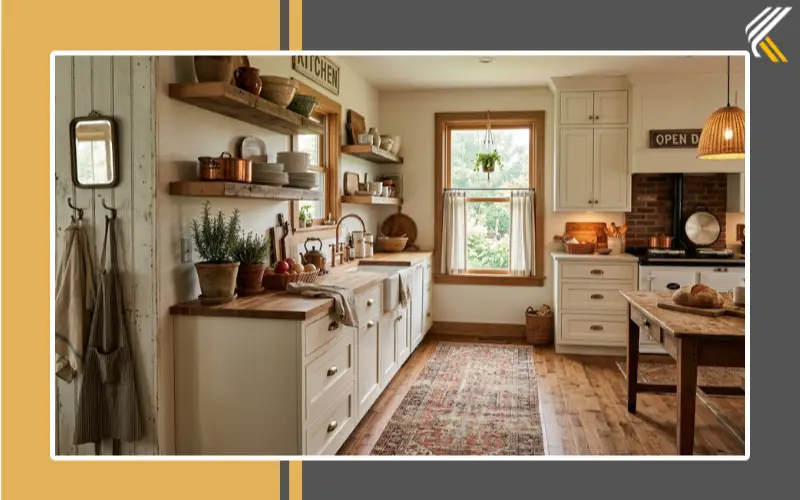
For cozy kitchens:
-
- choose warm earthy colors
-
- use textured woven rugs
-
- try farmhouse runner rugs
For modern kitchens:
-
- use minimal anti-fatigue mats
-
- choose neutral tones
-
- keep patterns simple
Many homeowners now combine:
-
- a decorative runner rug
with
- a decorative runner rug
-
- a cushioned kitchen mat near the sink
This creates a balance between comfort and style. Simple decorative upgrades like neutral rugs, warm textures, and thoughtfully styled countertop accents can completely change the feel of a kitchen without a full renovation.
Best Choice Based on Kitchen Layout
Kitchen size and layout also affect your decision.
| Kitchen Layout | Best Option |
|---|---|
| Galley kitchen | Runner rug |
| Small kitchen | Thin washable rug |
| Large kitchen | Multiple mats |
| Open-concept kitchen | Decorative rug |
| Baking station | Anti-fatigue mat |
Runner rugs work especially well in narrow kitchens because they create visual flow.
Where Should You Place a Kitchen Mat or Rug?
| Kitchen Area | Best Option |
|---|---|
| In front of sink | Anti-fatigue mat |
| Near stove | Cushioned kitchen mat |
| Galley walkway | Runner rug |
| Under kitchen island | Decorative rug |
| Open-concept kitchen | Washable runner rug |
| Coffee station | Small comfort mat |
Best Option Based on Your Lifestyle
Your daily routine can help determine whether a kitchen rug or kitchen mat is the better fit.
| Lifestyle | Best Choice |
|---|---|
| Home chefs | Anti-fatigue kitchen mat |
| Families with kids | Non-slip kitchen mat |
| Pet owners | Washable kitchen rug |
| Apartment living | Thin kitchen runner rug |
| Seniors | Cushioned anti-slip mat |
| Design-focused homeowners | Decorative kitchen rug |
For many households, combining a cushioned kitchen mat near the sink with a decorative runner rug in open areas offers the best balance. Many homeowners now prefer décor pieces that improve both style and practicality, especially in busy kitchens where functional storage solutions also help reduce visual clutter.
Best Kitchen Rug Colors for Different Seasons
Changing kitchen rug colors throughout the year can refresh the space without a full redesign.
| Season | Popular Rug Colors |
|---|---|
| Spring | Soft greens and light neutrals |
| Summer | Cream, beige, and airy patterns |
| Fall | Terracotta, rust, and warm brown |
| Winter | Charcoal, navy, and deep earth tones |
Neutral washable rugs remain one of the most versatile options because they work well in most kitchen styles year-round.
Common Problems With Kitchen Rugs and Mats
Both kitchen rugs and kitchen mats have advantages, but they also come with a few common issues.
Common Kitchen Rug Problems
-
- rugs may slide without a rug pad
-
- thick rugs can trap crumbs and dust
-
- stains may become visible quickly
-
- natural fiber rugs can absorb moisture
Common Kitchen Mat Problems
-
- foam mats may flatten over time
-
- edges can curl after heavy use
-
- some mats may discolor vinyl flooring
-
- cheaper mats may crack with age
Choosing high-quality materials and cleaning them regularly can help reduce these problems.
What Homeowners Usually Regret Buying
Many homeowners regret choosing kitchen rugs or mats based only on appearance.
Some common mistakes include:
-
- buying thick rugs that trap crumbs
-
- choosing slippery rugs without rug pads
-
- using oversized rugs in small kitchens
-
- buying cheap foam mats that flatten quickly
-
- ignoring floor compatibility
One of the most common regrets is choosing style over practicality. Many people buy thick plush rugs because they look beautiful online, but later realize they are harder to clean in busy kitchens.
Others purchase very cheap foam kitchen mats and notice flattening or curled edges after a few months of daily use. In most cases, medium-thickness mats and low-pile washable rugs perform better over time.
Before buying, focus on:
-
- comfort
-
- cleaning needs
-
- safety
-
- durability
-
- flooring compatibility
Best Kitchen Floor Option Based on Daily Routine
Your daily routine can help determine which option works best.
| Daily Routine | Better Choice |
|---|---|
| Daily cooking | Anti-fatigue kitchen mat |
| Decorative styling | Kitchen rug |
| Quick cleanup needs | Waterproof kitchen mat |
| Cozy kitchen feel | Washable kitchen runner rug |
| Standing for long periods | Cushioned kitchen mat |
| Busy family kitchen | Non-slip kitchen mat |
Many households benefit from using both a kitchen rug and a kitchen mat in different areas of the kitchen.
Can You Use Both a Kitchen Rug and a Kitchen Mat?
Yes, many homeowners use both together.
For example:
-
- a decorative kitchen rug in open areas
-
- an anti-fatigue kitchen mat near the sink
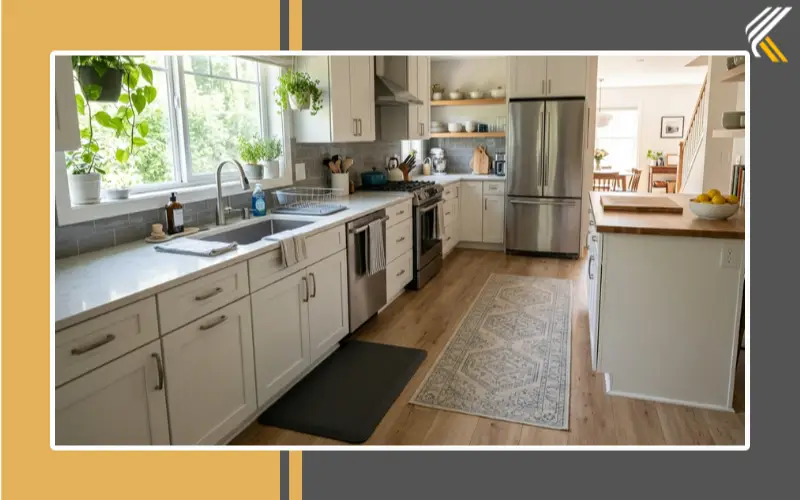
This mixed approach has become increasingly popular in real homes. Many homeowners place an anti-fatigue mat near the sink where they stand the most, while using a decorative runner rug in open walkways to make the kitchen feel warmer and more stylish.
This setup often provides the best balance between comfort, practicality, and design.
This combination gives you:
-
- comfort
-
- better support
-
- visual warmth
-
- improved functionality
Some people also layer a thin rug over a cushioned mat for extra softness.
Kitchen Mat vs Kitchen Rug: Pros and Cons
Kitchen Mat Pros
-
- Great for long standing sessions
-
- Easy to clean
-
- Waterproof
-
- Better support
-
- Slip resistant
Kitchen Mat Cons
-
- Less decorative
-
- Limited style choices
-
- Can curl over time
Kitchen Rug Pros
-
- Stylish appearance
-
- Warm and cozy
-
- Many colors and patterns
-
- Softer look
Kitchen Rug Cons
-
- Harder to clean
-
- May trap crumbs
-
- Can slide without pads
-
- Less ergonomic support
Who Should Choose a Kitchen Mat?
A kitchen mat is best for:
-
- people who cook daily
-
- busy families
-
- homeowners with back discomfort
-
- people with tile floors
-
- users who want easy maintenance
If comfort and cleaning matter most, a kitchen mat is usually the smarter choice.
Who Should Choose a Kitchen Rug?
A kitchen rug is best for:
-
- homeowners focused on style
-
- farmhouse kitchens
-
- cozy kitchen designs
-
- open-concept layouts
-
- people who want softer décor
If appearance matters more than ergonomic support, a kitchen rug may be the better option.
Frequently Asked Questions
Are kitchen rugs still in style?
Yes, kitchen rugs remain popular because they add warmth, texture, and personality to modern kitchens.
Are anti-fatigue kitchen mats worth it?
Many homeowners find anti-fatigue mats worth it because they improve comfort during long cooking or dishwashing sessions.
What is the easiest kitchen rug to clean?
Low-pile washable kitchen rugs are usually the easiest to clean and maintain.
Can you put a rug in front of a kitchen sink?
Yes, many homeowners place washable runner rugs or anti-fatigue mats near sinks for comfort and floor protection.
Common Mistakes to Avoid
- Buying thick shag rugs that trap crumbs and grease
- Choosing rugs without non-slip backing
- Using rubber-backed mats on sensitive flooring without checking compatibility
- Buying oversized rugs for small kitchens
- Ignoring washable materials in busy family homes
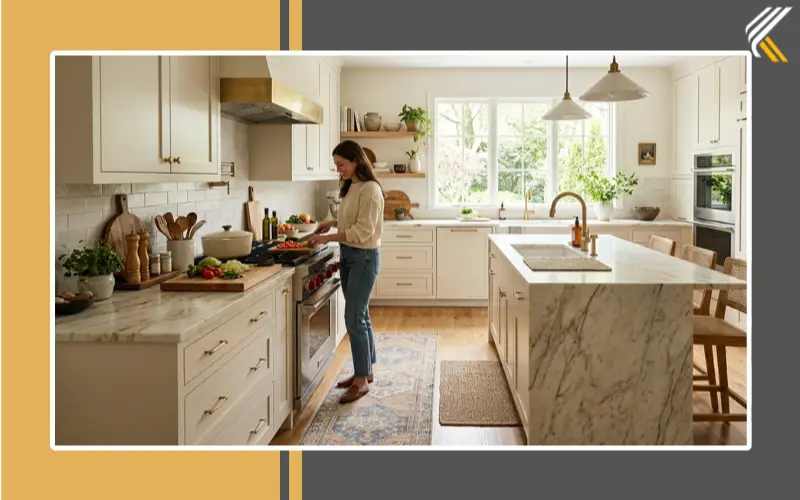
Final Verdict: Kitchen Mat vs Kitchen Rug
After comparing kitchen mats and kitchen rugs across comfort, cleaning, safety, durability, and real-life usability, it becomes clear that the best option depends on how your kitchen functions every day. For homeowners who cook frequently or stand for long periods, an anti-fatigue kitchen mat usually provides better support and comfort. Many people notice a real improvement in foot and back comfort after switching from hard flooring to a cushioned mat, especially near the sink or stove. On the other hand, kitchen rugs remain popular because they make kitchens feel warmer, softer, and more visually inviting. Washable low-pile runner rugs are often the most practical choice for homeowners who want both style and easier maintenance.
One thing many homeowners realize over time is that the best kitchen floor covering is not always the most decorative or expensive option. Instead, the best choice is the one that matches your lifestyle, kitchen traffic, flooring type, and cleaning routine. In many real kitchens, combining an anti-fatigue kitchen mat with a stylish washable runner rug creates the best balance between comfort and design. From a practical, long-term perspective, focusing on safety, washable materials, durability, and flooring compatibility usually yields better results than choosing solely on appearance. A kitchen is one of the busiest areas in a home, so the right rug or mat should make everyday cooking, cleaning, and standing more comfortable and easier to manage.e one that fits your lifestyle, cooking habits, and kitchen design.
About Kitchenoro
Kitchenoro is your trusted partner for complete kitchen remodeling, renovation, and elegant design. We specialize in premium cabinet installation, countertops, and transforming kitchens into luxurious, functional spaces. With expert craftsmanship and tailored solutions, Kitchenoro turns your vision into reality. Contact us to elevate your kitchen’s style and functionality!