
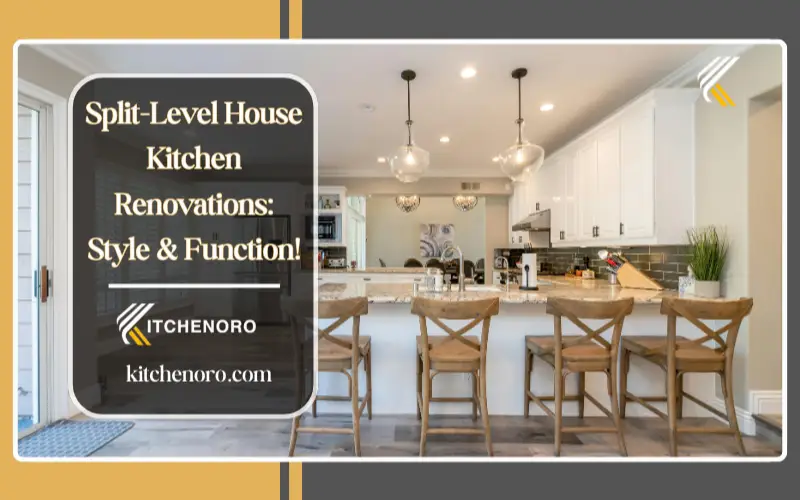
Renovating a split-level home kitchen is a powerful way to breathe new life into a space that often feels outdated or closed off. Popular in homes built during the 1970s and 1980s, split-level layouts offer unique character—but they also present design challenges when it comes to flow, light, and functionality.
This guide is part of our complete kitchen renovation and remodel resource hub, where we cover layouts, costs, materials, and expert planning strategies.
With thoughtful planning and the right design strategy, your kitchen can become a bright, welcoming hub that connects beautifully with surrounding living spaces. When sunlight hits light-toned cabinets and warm wood floors, the kitchen feels calmer, brighter, and instantly more inviting.
All recommendations in this guide are based on real split-level kitchen projects completed by our professional remodeling team.
A well-designed split-level kitchen doesn’t just look better — it removes daily frustration and makes cooking and family time feel effortless.
Split-Level House Kitchen Renovations- Quick Answer:
Renovating a split-level kitchen typically involves modernizing fixtures, improving layout flow, opening walls where possible, and upgrading storage. The goal is to blend style with functionality by introducing contemporary finishes, better lighting, and smarter space planning that complements the home’s multi-level structure.Our designers follow NKBA layout standards to ensure safe spacing, smooth workflow, and long-term usability.
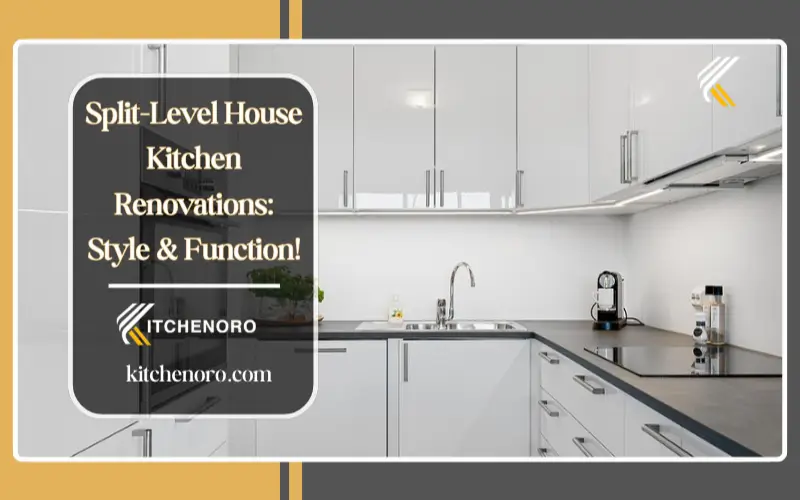
An L-shaped split-level kitchen renovation designed to improve workflow, add storage, and create a smooth visual connection to the adjacent dining space.
Getting Started with Your Split-Level Kitchen Remodel
1. The Lipstick Phase
Start with simple cosmetic updates such as fresh paint, new hardware, and updated light fixtures. Neutral tones, modern trim, and subtle accent walls can instantly modernize the kitchen without major construction.
2. Consider Bigger Changes
For homeowners ready for a transformation, removing non-load-bearing walls can create a more open layout and improve connection between the kitchen, dining, and living areas. Always consult a licensed engineer before altering structural walls.
3. Upgrades for Style and Functionality
Luxury upgrades such as custom cabinets, new countertops, and even vaulted ceilings can dramatically change how the kitchen feels. These enhancements add both beauty and resale value.
Key Components of a Split-Level Kitchen Renovation
1. Kitchen Cabinets
Painting or refinishing existing cabinets is a budget-friendly way to refresh the kitchen. White or light-toned cabinets brighten the space and pair well with modern or rustic finishes. Sleek hardware, natural wood textures, and statement backsplashes bring warmth and character while maintaining a clean design.
2. Countertops & Kitchen Island Integration
Quartz countertops with marble-style veining offer durability and luxury without high cost. Adding a kitchen island improves prep space and creates a casual dining area that works well for split-level layouts. Rounded or L-shaped islands improve traffic flow, while pull-out drawers and trash bins keep the kitchen organized.
Removing half walls between the kitchen and living room enhances light and openness. Thoughtful material coordination—such as neutral grout and complementary cabinetry—keeps the look cohesive and cost-effective.
3. Storage Solutions
Split-level kitchens often struggle with limited storage. Smart solutions like floor-to-ceiling cabinets, pull-out shelves, lazy Susans, and built-in islands maximize every inch. Transform unused areas into coffee stations, workspaces, or multi-purpose zones that make the kitchen more functional without sacrificing comfort.
U-shaped layouts work especially well in compact split-level kitchens, providing continuous workspace and storage while maintaining efficiency.
4. Natural Light
Improving natural light is one of the most impactful upgrades in a split-level kitchen. Enlarging windows, adding glass doors, and using light-reflective finishes instantly brighten the room. Pendant lights over dining areas, under-cabinet lighting, and recessed fixtures enhance both function and atmosphere.
Light-colored cabinetry and satin-finish flooring reflect sunlight beautifully, making the space feel larger and more welcoming.
Upgrading Appliances for Kitchen Efficiency
Old appliances can cause constant maintenance problems and waste energy. Replacing them with modern, energy-efficient models improves performance and lowers utility costs. Built-in and smart appliances help save space while adding convenience with touchless controls and Wi-Fi connectivity.
Pairing new appliances with upgraded countertops and cabinetry creates a polished, modern kitchen that performs as well as it looks.
Kitchen Flooring Options for Split-Level Homes
Flooring defines the kitchen’s personality and connects levels visually. Hardwood flooring offers warmth and continuity, while tile provides durability and easy maintenance. Luxury vinyl planks mimic wood or stone and resist moisture, making them ideal for high-traffic kitchens.
Functional Kitchen Layout Ideas
Layout plays a crucial role in split-level kitchen design:
-
L-shaped kitchens maximize corner space and maintain openness.
-
Galley kitchens offer efficiency for narrow areas.
-
Island or peninsula designs add seating, prep space, and a visual connection between levels.
Save with an Energy-Efficient Kitchen
Incorporating Energy Star-rated appliances and smart technology can reduce energy costs and increase comfort. Remote-controlled lighting, smart thermostats, and efficient fixtures help homeowners save on utility bills and qualify for federal energy efficiency tax credits—potentially up to $3,200.
Learn more at:
Ensuring Smooth Flow Between Levels
Use consistent flooring and a neutral color palette across adjoining spaces to unify the home. Partial walls, open shelving, or pass-throughs create separation without disrupting visual connection, allowing the kitchen to feel integrated with living areas.
kitchen renovation and remodel services
Enhancing Other Areas in Your Split-Level Home
Bedrooms
Simple upgrades like new flooring, fresh paint, and modern lighting instantly refresh private spaces.
Hallways
Hallways serve as connectors between levels. Matching finishes and improved lighting enhance continuity and flow.
Home Exterior
Updated paint and garage doors boost curb appeal and modernize the home’s appearance.
Frequently Asked Questions
1-How much does it cost to remodel a split-level home?
Remodeling a split level home can be an exciting yet challenging project for homeowners. The cost will vary based on factors like the extent of the remodel, materials used, and location. Typically, costs range from $20,000 to over $100,000 depending on these variables.
For a detailed pricing structure, see our complete guide to kitchen remodel cost breakdown including material, labor, and layout impact.
2-What are the disadvantages of a split level house?
-
- Mobility Limitations
-
- A split-level design can pose mobility limitations, as stairs, even short ones, can be difficult to navigate.
-
- Layout Challenges
-
- The layout can make it harder to achieve an open floor plan, with walls and divisions making the living areas feel confining.
-
- Disjointed Flow
-
- Moving between areas can feel disjointed, disrupting the flow of daily life, especially when carrying groceries upstairs or laundry downstairs.
-
- Unusual Design
-
- This unusual layout isn’t for everyone and may feel more complex than a single-storey ranch or a traditional two-storey layout.
3-How to open up a split-level kitchen?
To open up a split-level home kitchen, consider knocking down a non-load-bearing wall or adding a pass-through window. This creates an open-concept layout that enhances flow and connectivity, reducing the separation between rooms. The right design ideas can transform the space, making it more functional and stylish for kitchen renovations and home improvement.
4-Can you build up on a split-level home?
Yes, you can build up on a split-level home, which is a popular type of remodel. Adding a level can enhance the space and increase the value of your property. This addition allows for more functional rooms while boosting the property’s worth without changing its overall layout.
Conclusion
A split-level kitchen renovation can dramatically improve both form and function. By embracing open layouts, modern finishes, and efficient storage, homeowners can turn a once-awkward space into a stylish centerpiece. Whether planning a small refresh or full remodel, the right design approach ensures your kitchen flows naturally with the rest of your home.
This guide is part of our complete kitchen remodeling guide resource hub, where we cover layouts, costs, materials, and expert planning strategies.
Design calendars fill quickly during peak remodeling season, so early planning helps secure the best timelines and pricing.
About Kitchenoro
Kitchenoro is your trusted partner for complete kitchen remodeling, renovation, and elegant design. We specialize in premium cabinet installation, countertops, and transforming kitchens into luxurious, functional spaces. With expert craftsmanship and tailored solutions, Kitchenoro turns your vision into reality. Contact us to elevate your kitchen’s style and functionality!