
A vineyard kitchen remodel isn’t just about upgrading cabinets or countertops — it’s about creating a warm, welcoming space where meals feel special, and memories are made. Inspired by the natural beauty and rustic elegance of vineyard estates, this design style blends comfort with sophistication. Whether you live near rolling vineyards or love countryside charm, a vineyard kitchen remodel can turn your kitchen into the heart of your home.
For a step-by-step breakdown of layout planning, permits, budgeting, and timelines, read our complete kitchen remodeling guide before starting your project.
All recommendations in this guide are based on real kitchen projects completed by the Kitchenoro remodeling team.
Vineyard Kitchen Remodel- Quick Answer:
A vineyard kitchen remodel is a renovation inspired by countryside vineyard homes that uses natural materials, warm textures, open layouts, and functional work zones to create a rustic yet modern kitchen space.

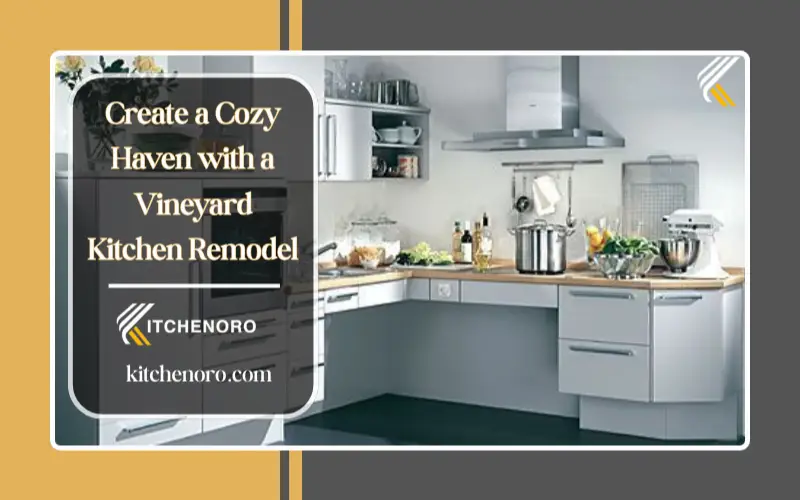
Large windows and an open-concept layout bring natural light into this vineyard kitchen remodel, creating a seamless indoor-outdoor feel.
Definition: What is a Vineyard Kitchen Remodel?
A vineyard kitchen remodel is a renovation inspired by vineyard homes and countryside estates. It emphasizes natural materials, open layouts, and warm finishes that connect the kitchen to nature. The goal is to create a space that feels elegant, functional, and relaxing — much like a vineyard retreat.
Understanding Vineyard Kitchen Design Elements
Characteristics of Vineyard Kitchens
Vineyard kitchens feel less like showrooms and more like lived-in spaces where cooking, conversation, and comfort naturally come together. They reflect agricultural roots and natural surroundings while remaining refined and practical.
Common features include:
-
Open shelving for displaying glassware and cookware
-
Exposed wooden beams and architectural details
-
Large windows or glass doors connecting to the outdoors
The Role of Nature in Vineyard Kitchen Design
Nature is central to vineyard kitchens. Light-filled spaces, greenery, and organic textures help bring the outdoors inside. Sunlight filtering through wide windows, the scent of fresh herbs, and the warmth of natural wood surfaces make vineyard kitchens feel calm and inviting throughout the day.
Herbs in ceramic pots, hanging plants, and natural sunlight reinforce the vineyard aesthetic while keeping the space fresh and welcoming.
The Vineyard Kitchen Remodel Process
The vineyard kitchen remodel process involves several key steps to transform a kitchen into a space inspired by vineyard aesthetics. Here’s a concise outline of the process:
Step 1: Assessment and Planning
Evaluate your current kitchen and identify what needs improvement. Set priorities such as better storage, improved workflow, or stronger rustic character.
Step 2: Budgeting
Create a realistic budget covering materials, labor, and appliances. This ensures design decisions stay practical and achievable.
Once your goals and budget are clear, the next step is turning your ideas into a workable design plan.
To estimate your investment accurately, explore our detailed kitchen remodeling cost guide with real project price ranges and ROI insights.
Step 3: Design and Conceptualization
Choose between rustic or modern vineyard styles. Select materials like wood, stone, and marble to match the vineyard aesthetic.
Step 4: Demolition and Preparation
Remove outdated cabinets, fixtures, or walls. Upgrade plumbing, electrical, and framing systems as needed.
Step 5: Construction and Installation
Install beams, windows, or vaulted ceilings. Add custom cabinetry, stone countertops, and wood flooring. Include specialized storage such as racks or a built-in fridge.
Step 6: Final Touches
Install energy-efficient appliances and add lighting, décor, and personal design details.
Step 7: Review and Final Adjustments
Inspect workmanship and refine any details to ensure both beauty and usability.
This structured approach creates a kitchen that blends rustic charm with modern performance.
Choosing the Right Design for Your Vineyard Kitchen
Rustic vs. Modern Vineyard Styles
Rustic Vineyard Design
Rustic vineyard kitchens embrace age and texture, creating a space that feels collected over time rather than newly installed.
-
Exposed wood beams
-
Stone accents
-
Farmhouse sinks
-
Distressed cabinets
Modern Vineyard Design
Modern vineyard kitchens keep the countryside spirit while introducing cleaner lines and contemporary performance.
-
Clean lines
-
Stainless steel appliances
-
Minimalist cabinetry
-
Neutral color palettes
Incorporating Natural Materials
Wood, stone, marble, copper, and bronze bring warmth and authenticity while reinforcing the vineyard theme.
Open-Concept vs. Traditional Layouts
Open layouts work well for entertaining and family gatherings. Traditional layouts provide defined cooking and dining zones. Both adapt beautifully to vineyard design when planned properly.
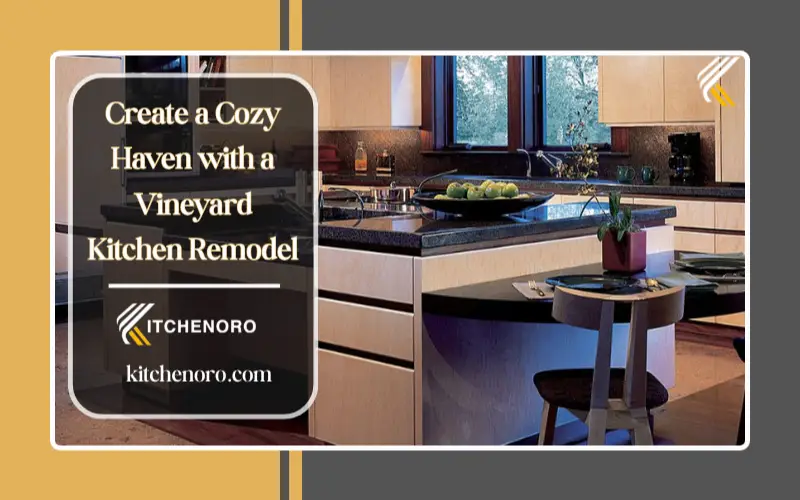
A farmhouse-style island with integrated wine storage adds functionality and rustic elegance to this vineyard kitchen design.
Key Features of a Vineyard Kitchen Remodel
Farmhouse-Style Islands and Counters
Large islands anchor the space and encourage gathering. Butcher block or distressed wood surfaces add warmth and texture.
Wooden Beams and Vaulted Ceilings
Exposed beams and high ceilings add architectural interest. Reclaimed wood enhances authenticity.
Storage and Tasting Areas
Custom racks, built-in storage, and tasting areas improve functionality while supporting the vineyard theme.
Large Windows and Natural Lighting
Windows and skylights maximize daylight and strengthen the indoor-outdoor connection.
Selecting the Right Appliances
Energy-Efficient Appliances
Modern refrigerators, ovens, and dishwashers reduce energy use and long-term costs. According to the U.S. Department of Energy, energy-efficient kitchen appliances lower utility expenses while improving performance.
Source: https://www.energy.gov/energysaver/energy-efficient-appliances
Stainless Steel vs. Vintage Appliances
Stainless steel offers durability and modern contrast, while vintage-style appliances add rustic charm.
Layout and Functionality
Creating an Efficient Workflow
Organize prep, cooking, and cleaning zones to minimize movement and improve daily use. Our designers follow NKBA (National Kitchen & Bath Association) layout standards to ensure proper workflow, spacing, and safety in every vineyard kitchen remodel.
Source: https://nkba.org/design-guides/kitchen-planning-guidelines
Maximizing Storage Space
Deep drawers, pull-out shelves, and custom cabinets prevent clutter without sacrificing style.
The Importance of Work Zones
Clear zones improve usability and reduce congestion in busy households.
Vineyard Kitchen Trends to Watch in 2026
Sustainability in Kitchen Design
Reclaimed wood, low-flow faucets, and energy-efficient appliances are increasingly popular. WaterSense-certified fixtures help conserve water without reducing usability.
Source: https://www.epa.gov/watersense
Smart Kitchen Technology
Smart refrigerators, touchless faucets, and voice-controlled lighting add convenience without disrupting rustic aesthetics.
How to Add Personal Touches
Incorporating Local Materials and Decor
Local stone, handmade pottery, and artisan textiles add authenticity and connection to place.
Adding Custom Features
Personalized cabinetry, custom racks, and statement lighting make the kitchen unique.
Real Risks of Poor Vineyard Kitchen Design
Without proper planning, vineyard kitchens can feel dark, cluttered, or impractical. Oversized beams, poor lighting, and excessive rustic features can limit usability. Professional design ensures warmth without sacrificing function.
Mini Case Example (Kitchenoro Project)
Project: 180 sq. ft. vineyard-style kitchen remodel
Challenge: Dark layout and limited storage
Solution: Added skylight, reclaimed wood beams, and custom rack
Result: 40% brighter space and 25% more storage
This project shows how thoughtful design transforms both function and atmosphere.
Before You Start: Quick Checklist
-
Define your vineyard style (rustic or modern)
-
Set a realistic budget
-
Choose natural materials
-
Plan lighting carefully
-
Confirm appliance placement
-
Design storage zones
-
Work with experienced kitchen remodelers
(See our Complete Kitchen Remodeling guide for layout planning and permit considerations.)
Frequently Asked Questions (FAQs)
1. What is the main feature of a vineyard kitchen remodel?
A vineyard kitchen remodel typically features natural materials like wood and stone, rustic design elements, and large open spaces that create a connection between the kitchen and nature.
2. How can I incorporate storage into my vineyard kitchen?
You can include storage by installing custom racks, a fridge, or even designing a dedicated area. If you have the space, add more racks.
3. What are the best materials for a vineyard kitchen remodel?
The best materials are natural and rustic, including wood for cabinetry and flooring, stone for countertops, and marble for elegance. Metals like copper or bronze also fit the vineyard aesthetic.
4. Should I go for a rustic or modern vineyard kitchen design?
It depends on your personal style. A rustic design features weathered wood, stone accents, and farmhouse-style cabinets, while a modern design focuses on sleek surfaces and minimalist cabinetry. Both can work well with the vineyard theme.
5. What appliances should I choose for a vineyard kitchen?
Opt for energy-efficient appliances that blend seamlessly with the rustic design. Stainless steel appliances are a good choice for a modern look, while vintage-style appliances like a retro fridge or classic stove fit well with a rustic vineyard kitchen.
6. How can I ensure my vineyard kitchen remodel is eco-friendly?
To make your remodel eco-friendly, use sustainable materials like reclaimed wood, low-flow faucets, energy-efficient appliances, and environmentally friendly finishes.
7. How do I make my vineyard kitchen feel spacious?
Incorporate large windows for natural light, vaulted ceilings with exposed beams, and an open-concept design to create a spacious and airy feel.
8. What is the typical cost of a vineyard kitchen remodel?
The cost can vary based on the size of your kitchen, the materials you choose, and the complexity of the design. On average, expect to spend between $15,000 and $50,000, with higher-end finishes and appliances costing more.
Final Thoughts: The Return on Investment
A vineyard kitchen remodel can significantly boost home value while improving daily enjoyment. In our 15+ years of kitchen remodeling experience, vineyard-style kitchens perform best when natural materials are balanced with modern function.
A thoughtfully designed vineyard kitchen saves you years of regret, costly mistakes, and remodeling stress — while giving you a space you’ll love using every day.
Design slots fill quickly during peak remodeling season, so early planning helps secure preferred timelines and material availability.
Conclusion
A vineyard kitchen remodel blends rustic charm with modern comfort, transforming your kitchen into a peaceful and elegant hub. With the right materials, layout, and expert planning, your kitchen can become a true sanctuary that enhances lifestyle and property value.
If you’re planning a vineyard-style kitchen remodel, Kitchenoro offers free design consultations to help you choose the right layout, materials, and features for your space.
Trust Kitchenoro to bring vineyard-inspired beauty into your home with craftsmanship and care.
Our professional kitchen remodeling services help transform vineyard-inspired concepts into fully functional luxury spaces.
References & Citations
- National Kitchen & Bath Association (NKBA). Kitchen Planning Guidelines
https://nkba.org/design-guides/kitchen-planning-guidelines
- U.S. Department of Energy. Energy-Efficient Appliances
https://www.energy.gov/energysaver/energy-efficient-appliances - U.S. Environmental Protection Agency (EPA). WaterSense Fixtures
https://www.epa.gov/watersense
About Kitchenoro
Kitchenoro is your trusted partner for complete kitchen remodeling, renovation, and elegant design. We specialize in premium cabinet installation, countertops, and transforming kitchens into luxurious, functional spaces. With expert craftsmanship and tailored solutions, Kitchenoro turns your vision into reality. Contact us to elevate your kitchen’s style and functionality!