
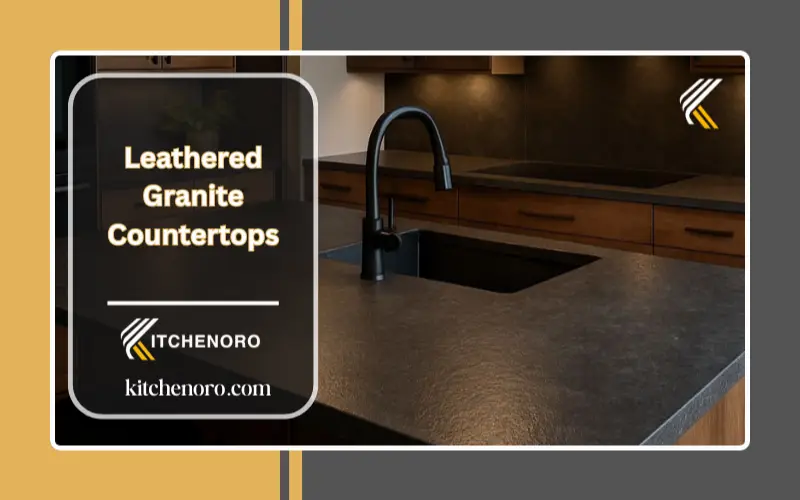
Leathered granite countertops offer a rare combination of natural texture, durability, and timeless design. As homeowners move toward warmer and more natural interiors, leathered granite has become one of the most requested countertop finishes for kitchens and bathrooms.
Unlike glossy surfaces that reflect light and show fingerprints easily, leathered granite features a soft matte texture that highlights the stone’s natural character while remaining practical for everyday use. This guide explains what leathered granite is, how it is made, why it costs more, how it performs in real homes, and how to care for it properly so you can decide if it is the right choice for your space.
Quick Answer:
Leathered granite countertops feature a textured matte surface created by brushing the stone with diamond abrasives. This finish enhances natural color depth, reduces visible fingerprints and water marks, and offers excellent durability with minimal maintenance. While leathered granite typically costs more than polished granite, it provides long-term value and performs exceptionally well in busy kitchens and bathrooms.
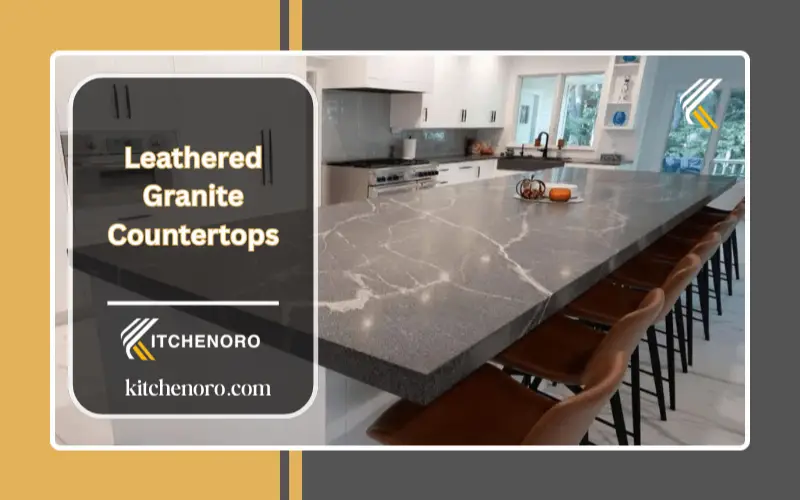
Leathered Granite Countertops
What Is Leathered Granite
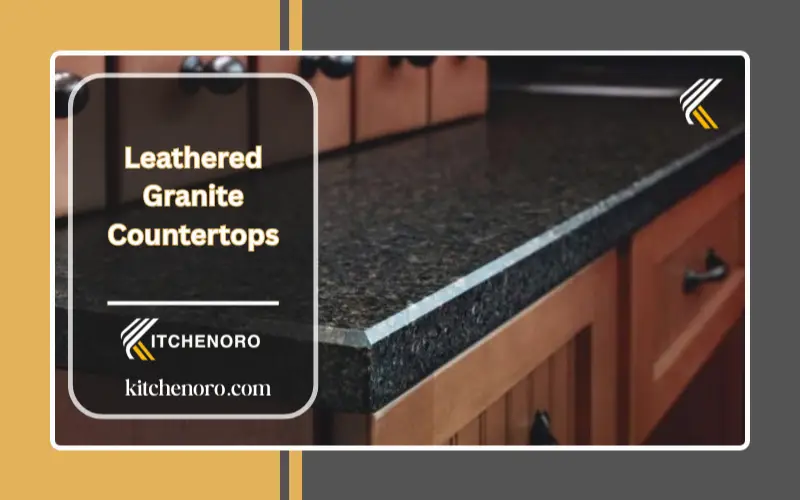
Leathered granite is a natural stone finish created by brushing the surface of a granite slab rather than polishing it to a high shine. During this process, softer minerals are gently worn away while harder crystals remain intact, resulting in a subtle texture with visible depth.
Unlike polished granite, which reflects light, leathered granite absorbs light. This creates a warmer, more organic appearance and reduces glare under strong lighting. Natural variations, dips, and mineral movement remain visible, making each slab unique.
Because it hides smudges and fingerprints better than glossy finishes, leathered granite is especially popular in kitchens where countertops are used throughout the day.
How the Leathered Finish Is Made
The leathering process begins after the granite slab has been cut and shaped. Instead of stopping at a honed surface, fabricators continue refining the stone using rotating diamond-tipped brushes.
Each pass removes small amounts of softer minerals while leaving harder crystals exposed. This creates a consistent texture that follows the stone’s natural grain. Multiple passes are required to achieve an even finish without damaging the slab.
This process requires experience and precision. Because it involves additional labor, equipment, and time, leathered granite takes longer to fabricate than polished granite, which contributes to its higher cost.
Leathered Granite Countertops
Leathered Granite Compared to Polished Granite
Choosing between leathered and polished granite depends on both appearance and lifestyle.
Polished granite has a smooth, glossy surface that reflects light and enhances color clarity. While visually striking, it tends to show fingerprints, water spots, and smudges more easily, especially in busy kitchens.
Leathered granite offers a matte textured surface that absorbs light rather than reflecting it. It enhances natural depth while hiding everyday marks. Minor scratches and wear blend into the texture instead of standing out.
Homeowners who prioritize low maintenance and a warm, natural appearance often prefer leathered granite, while those who want a high shine look may lean toward polished finishes.
Quick Comparison Summary
This table gives readers an instant visual break and helps fast decision makers.
| Feature | Leathered Granite | Polished Granite |
|---|---|---|
| Surface finish | Matte with subtle texture | Smooth high gloss |
| Light reflection | Low glare | High reflection |
| Fingerprint visibility | Very low | High |
| Scratch visibility | Disguised by texture | More noticeable |
| Maintenance effort | Low | Moderate |
| Overall look | Warm natural organic | Bright sleek reflective |
| Best for | Busy kitchens, modern farmhouse homes | Formal kitchens, low traffic areas |
Summary takeaway:
Leathered granite prioritizes practical daily living, while polished granite prioritizes visual shine.
Pros and Cons of Leathered Granite Countertops
Advantages
Leathered granite offers several benefits that make it a strong long-term choice:
-
- Excellent durability for daily use
-
- Reduced visibility of fingerprints and water spots
-
- Enhanced natural color and mineral movement
-
- Less glare under bright lighting
-
- Texture that disguises minor scratches
-
- Works well in modern, traditional, and transitional designs
Disadvantages
Despite its advantages, leathered granite may not suit every homeowner:
-
- Higher cost than standard polished granite
-
- Surface may feel uneven for writing tasks
-
- Limited slab availability in some regions
-
- Texture may trap crumbs if not wiped regularly
For most kitchens, the benefits outweigh the drawbacks, especially in high-traffic homes.
Why Leathered Granite Costs More
Leathered granite typically costs more than polished granite due to the additional fabrication steps involved. The brushing process requires skilled labor and specialized equipment. Fewer slabs are finished this way at the quarry, which limits availability.
Although the initial cost is higher, many homeowners find leathered granite more economical over time. The finish hides wear, reduces visible staining, and maintains its appearance longer than glossy surfaces.
For a detailed explanation of pricing factors, installation costs, and material differences, see our countertop cost breakdown.
Real World Performance in Homes
In real kitchens, leathered granite consistently performs well. Homeowners often report that their countertops look nearly new even after years of heavy use.
In family kitchens where cooking, entertaining, and daily routines put countertops to the test, leathered granite hides fingerprints, water marks, and minor scratches far better than polished finishes. This makes it a popular choice for kitchen islands, prep areas, and main countertops.
Designers also favor leathered granite in farmhouse and modern kitchens because it balances warmth with durability. Dark, leathered granite creates a bold focal point while lighter tones add subtle texture without overwhelming the space.
Real Homeowner Experience
In a busy family kitchen in Texas, a homeowner replaced polished granite with leathered granite on their island after struggling with constant smudges. Two years later, the surface still looks nearly new despite daily cooking, kids’ homework, and frequent entertaining, which made the upgrade feel worth the higher upfront cost.
Cleaning and Maintenance
Leathered granite is easy to maintain and forgiving, unlike glossy finishes.
Daily cleaning requires only warm water and a mild dish soap applied with a soft cloth or sponge. The textured surface naturally hides smudges, reducing the need for constant wiping.
Sealing is recommended to maintain stain resistance. In most kitchens, sealing once every one to two years is sufficient. A simple water test helps determine when resealing is needed. If water darkens the stone after a few minutes, it is time to reseal.
Maintenance benefits include:
-
- Strong heat resistance
-
- Scratch resistance for everyday use
-
- Smudge resistance compared to polished granite
-
- Simple cleaning routine
With proper sealing and care, leathered granite performs reliably in high-traffic kitchens and bathrooms for decades.
Heat and Scratch Resistance
Granite is one of the most heat-resistant countertop materials available. Leathered granite can safely handle hot cookware, although using trivets is recommended to protect the sealant.
The textured finish also disguises small scratches better than polished granite. While cutting boards should always be used, minor wear is far less noticeable on a leathered surface.
Design and Color Options
Leathered granite is available in a wide range of colors and patterns. Dark shades such as black, charcoal, and deep brown highlight texture and create dramatic contrast. Earthy tones like beige, tan, and warm gray provide a softer, more natural look.
The matte finish enhances mineral movement and creates depth that changes subtly with lighting conditions. Over time, leathered granite develops a gentle patina that adds character rather than detracting from its appearance.
Leathered granite pairs especially well with wood cabinetry, neutral backsplashes, warm lighting, and matte hardware.
For inspiration on how this finish fits into complete spaces, explore our kitchen countertop design ideas guide.
Best Uses for Leathered Granite
Leathered granite works well in many areas of the home, including:
-
- Kitchen countertops and islands
-
- Bathroom vanities
-
- Laundry rooms
-
- Bars and wet areas
-
- Outdoor kitchens
Because it reduces glare it performs especially well in spaces with strong natural or overhead lighting.
Common Myths About Leathered Granite
Some homeowners hesitate due to common misconceptions.
One myth is that leathered granite is difficult to clean. In reality, it requires no more effort than other finishes and often hides messes better.
Another misconception is that the texture feels rough. Properly finished leathered granite feels smooth and comfortable to the touch.
Understanding these points helps homeowners make confident, informed decisions.
Frequently Asked Questions
1) Is leathered granite worth the higher price?
Yes. Its durability, low maintenance, and ability to hide wear make it a strong long-term investment.
2) What are the disadvantages of leathered granite?
The surface may feel uneven for writing, and slab availability can be limited in some areas.
3) Is leathered granite easy to maintain?
Yes. Simple cleaning and occasional sealing are all that is required.
4) Which is better, polished or leathered granite?
Leathered granite hides smudges and offers a warmer appearance, while polished granite provides shine but shows marks more easily.
Conclusion
Leathered granite countertops offer a balance of beauty, durability, and practicality. Their textured matte finish enhances natural stone patterns, minimizes visible wear, and performs exceptionally well in everyday environments. While the upfront cost is slightly higher than polished granite, the long-term value, durability, and low maintenance make leathered granite a worthwhile investment for kitchens and bathrooms.
For homeowners seeking a countertop that combines character resilience and timeless appeal leathered granite remains one of the best natural stone choices available.
About Kitchenoro
Kitchenoro is your trusted partner for complete kitchen remodeling, renovation, and elegant design. We specialize in premium cabinet installation, countertops, and transforming kitchens into luxurious, functional spaces. With expert craftsmanship and tailored solutions, Kitchenoro turns your vision into reality. Contact us to elevate your kitchen’s style and functionality!
Sources and References
-
- Natural Stone Institute Granite Finishes and Surface Treatments
-
- MSI Surfaces Polished, Honed, and Leathered Granite
-
- Marble Granite Countertop Finishes and Maintenance
-
- The Spruce Granite Countertop Cost and Care Guide
Disclaimer
This article is intended for general informational purposes only. While every effort has been made to ensure accuracy based on industry standards and professional experience, stone performance pricing and maintenance requirements may vary depending on material selection fabrication methods, installation conditions, and local factors. Always consult a qualified stone fabricator or contractor before making final purchasing or installation decisions.