
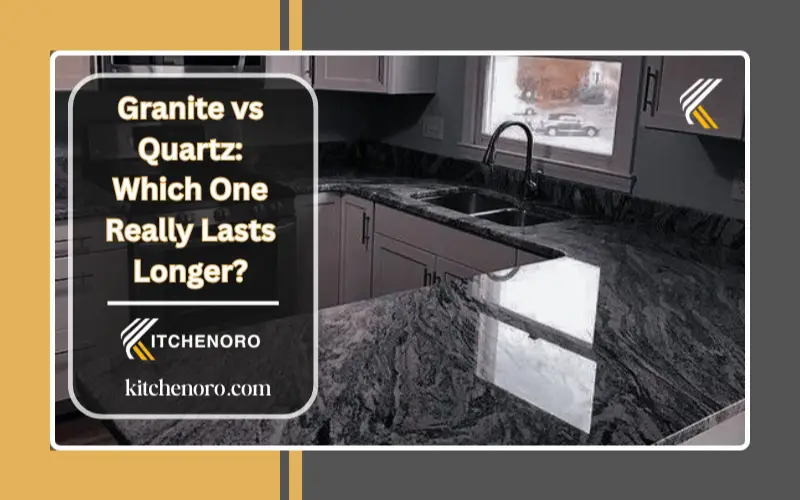
In every kitchen, the choice of countertops shapes the home. Over years of remodeling in central Ohio, I’ve watched homeowners weigh differences between granite and quartz, while some explore marble, laminate, butcher block, tile, onyx, or stainless steel—OH, MY.
Each surface offers unique characteristics, from style and function to advantages, disadvantages, and average costs. Picking the right countertop material isn’t just a TV episode like House Hunters; it’s a real task with lasting impact on daily life and aesthetics.
Drawing on 46 years of combined technical experience, I’ve seen how engineered quartz fits a busy lifestyle, while all-natural stone like granite wins for timeless design.
The right contractor helps you decide among countless options, guiding decisions about surfaces, materials, and remodeling plans. In the end, every choice becomes part of your home, set firmly in stone.
Granite vs Quartz: Which One Really Lasts Longer?- The Answer:
Granite and quartz are both long-lasting countertop materials, but quartz generally lasts longer because it is non-porous and requires virtually no maintenance. Granite can last a lifetime with proper sealing, while quartz offers superior stain resistance, hygiene, and everyday durability—making it the better choice for busy households.
Popularity Shift Between Granite & Quartz
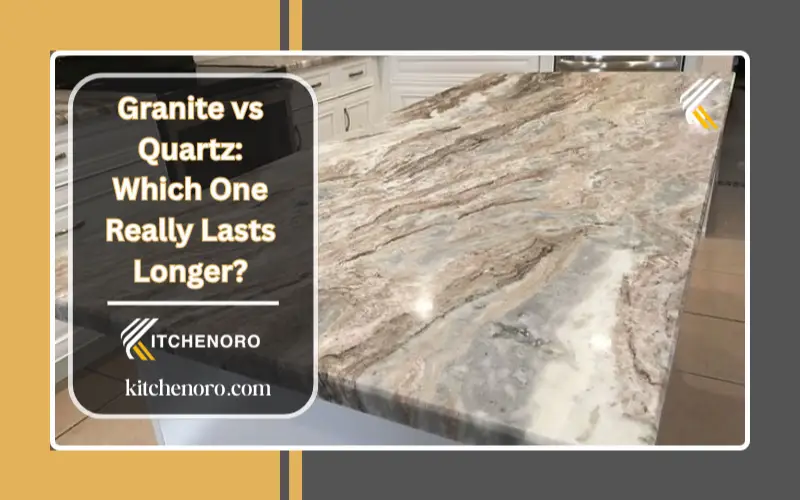
Over years of kitchen remodeling projects in central Ohio, I’ve seen homeowner preferences change dramatically.
According to the National Kitchen & Bath Association (NKBA) 2025 Design Report, quartz is now the #1 countertop choice in U.S. homes.
73% of designers prefer quartz, while only 32% favor granite.
Consumer Reports also ranks quartz higher for:
- Stain resistance
- Hygiene
- Ease of maintenance
Why quartz dominates:
- Zero sealing
- Consistent designs
- Modern appeal
What Is Granite?
Granite is a 100% natural stone quarried from the earth in large slabs. Each slab features unique mineral patterns formed by quartz, feldspar, and mica.
Key Features
- Heat resistant
- Extremely hard
- One-of-a-kind patterns
- Adds natural luxury
Common Uses
- Kitchen countertops
- Flooring
- Outdoor paving
- Building facades
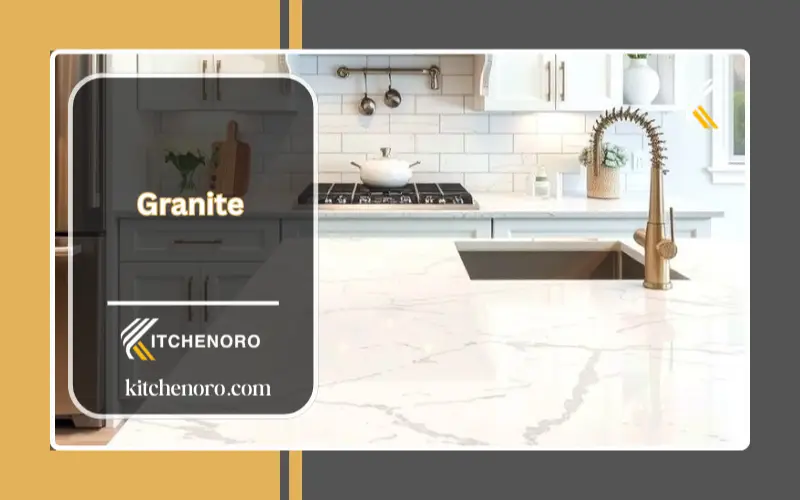
Why Granite Works in Kitchens
- Handles hot pans
- Scratch resistant
- Long lifespan
- Natural warmth
Drawback:
Granite is porous and must be sealed every 12 months to prevent stains and bacterial buildup.
What Is Quartz?
Quartz countertops are engineered stone surfaces made from crushed natural quartz combined with resin and pigments.
Benefits
- Non-porous
- Uniform patterns
- Low maintenance
- Modern aesthetics
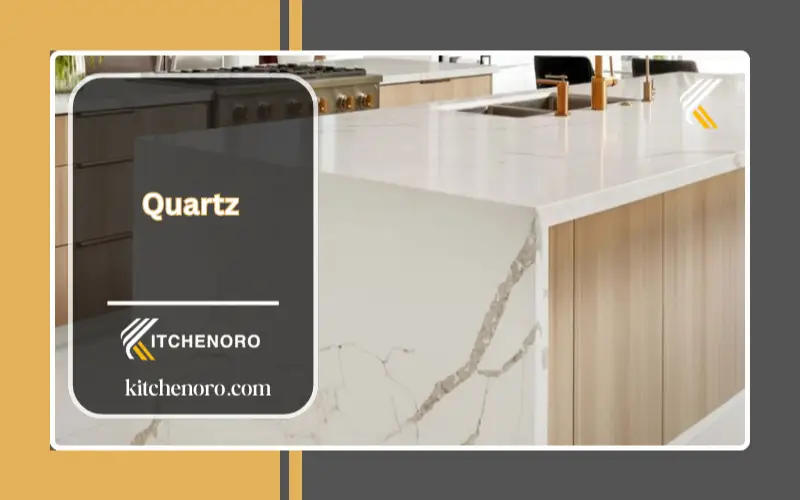
Why Quartz Stands Out
- No sealing required
- Easy cleaning
- Highly stain-resistant
- Hygienic surface
- Wide color selection
Ideal for:
- Busy families
- Rental properties
- Modern kitchens
Granite vs Quartz: Durability
| Feature | Granite | Quartz |
|---|---|---|
| Scratch Resistance | Excellent | Excellent |
| Heat Resistance | Excellent | Good (not heatproof) |
| Stain Resistance | Moderate | Excellent |
| Maintenance | Needs sealing | No sealing |
| Longevity | Lifetime with care | Lifetime with less care |
Winner: Quartz (low maintenance & hygiene)
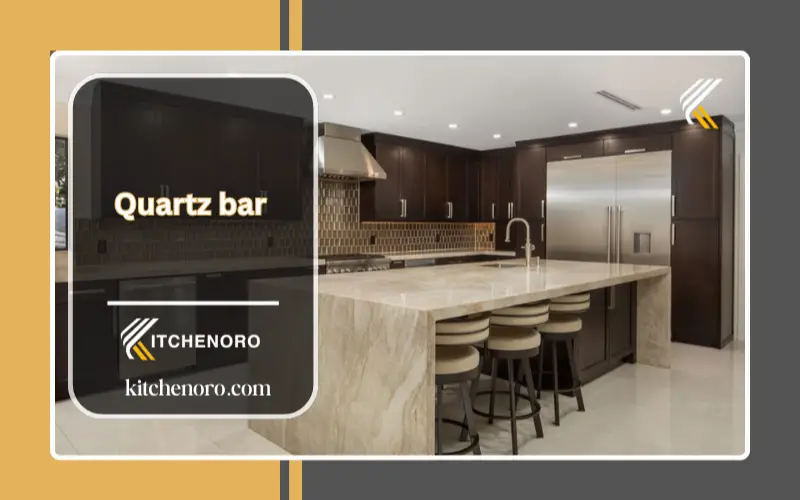
Advantages of Quartz
1. Strength & Hygiene
- Scratch resistant
- Stain-proof
- Bacteria resistant
2. Colors & Patterns
- Marble-look designs
- Consistent veining
- Custom colors
3. Low Maintenance
- No sealing
- Easy cleaning
- Etch resistant
Advantages of Granite
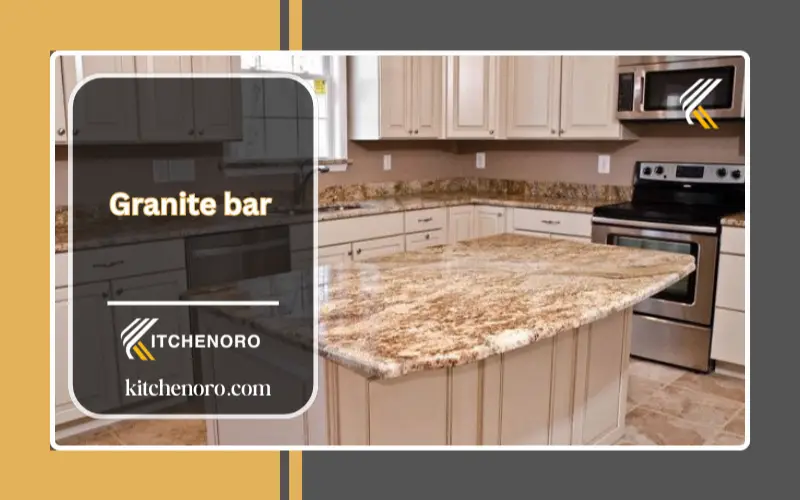
1. Natural Beauty
- Unique slabs
- Rich earth tones
- Authentic stone appeal
2. Heat Resistance
- Handles extreme heat
- Perfect for serious cooks
3. Resale Appeal
- Luxury perception
- Trusted natural material
Disadvantages
Granite
- Needs resealing every 1–5 years
- Can stain if unsealed
- Pattern inconsistency
- Repairs visible
Quartz
- Not heatproof
- Can chip on impact
- UV exposure may fade color
- Repairs noticeable
Cost Comparison (Installed)
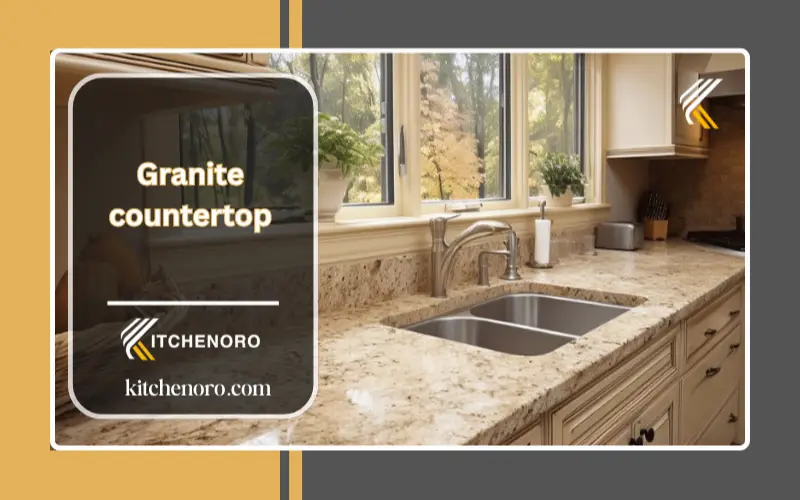
Granite
$40–$300 / sq. ft.
Average: $70–$100
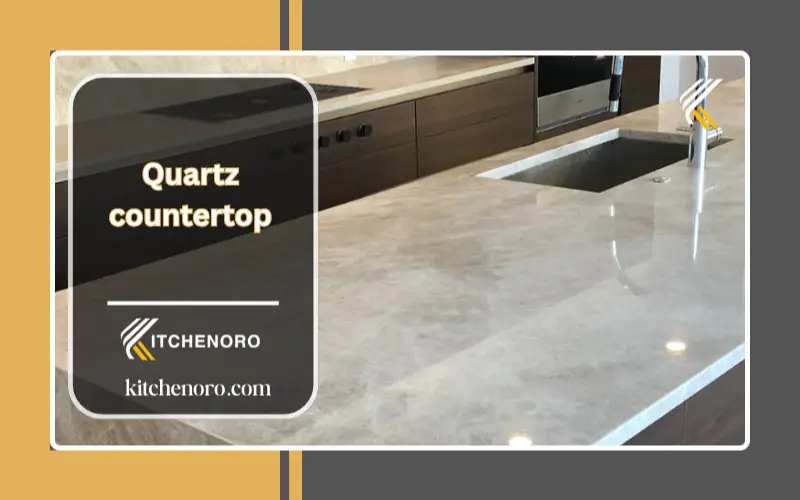
Quartz
$45–$200 / sq. ft.
Average: $50–$75
Price factors:
- Brand
- Thickness
- Edge profiles
- Installation complexity
Cost Comparison Table
| Material | Price Range (per sq. ft. installed) | Average Cost (per sq. ft.) | Labor Cost (per hour) |
| Granite | $40 – $300 | $70 – $100 | $30 – $85 |
| Quartz | $45 – $200 | $50 – $75 | $30 – $85 |
Popular Brands
Top Quartz Brands
- Cambria
- Caesarstone
- Silestone
- LG Viatera
- MSI Q Quartz
Top Granite Suppliers
- MSI Surfaces
- Arizona Tile
- Cosmos Surfaces
- Levantina
Maintenance Guide
Granite
- Seal every 12 months
- Clean spills immediately
- Use pH-neutral cleaners
Quartz
- No sealing
- Mild soap & water
- Use trivets for heat
Bacteria Resistance
Quartz wins.
Its non-porous surface prevents bacteria, mold, and mildew growth.
Granite is naturally antibacterial only when sealed properly.
Environmental Impact
Quartz
- Uses recycled materials
- Less quarry waste
- Long lifespan
Granite
- Natural material
- Quarry mining impact
- Higher transportation footprint
Warranty & Lifespan
| Material | Warranty | Coverage |
|---|---|---|
| Quartz | 10–25 years | Defects, stains |
| Granite | None | Installer dependent |
Pro Tip:
Premium quartz brands offer lifetime warranties.
Real Kitchen Remodel Case Study
Project: Family kitchen – Columbus, Ohio
Material: Calacatta-look quartz
Results after 18 months:
- Zero staining
- No resealing
- Easy cleaning with kids
Client feedback:
“We cook daily and our quartz still looks brand new.”
Technical Specifications
Thickness
- 2cm
- 3cm (best durability)
Popular Edge Styles
- Beveled
- Bullnose
- Waterfall
- Ogee
How to Choose
Choose Granite If:
- You want natural stone
- You need high heat resistance
- You love traditional luxury
Choose Quartz If:
- You want zero maintenance
- You prefer modern style
- You value hygiene
FAQs
1) Which is better, quartz or granite?
From my experience, Quartz is harder and more durable than granite. The fact is, it’s nearly indestructible and because it isn’t porous like granite, these countertops are easy to clean and keep relatively bacteria-free. Actually, it’s a practical choice for kitchens, and thus feels like the stronger option for everyday use.
2) What are the negatives of quartz countertops?
Durability
Aesthetics
Non-Porous
Low Maintenance
Stain Resistance
Resale Value
3) What is more expensive, granite or quartzite?
In my experience, granite countertops usually cost around $10 to $75 per square foot without installation, while quartzite ranges from $30 to $150 for the material only. But once you add installation, the overall costs for both materials can vary widely, depending on the job’s complexity.
4) What lasts longer, granite or quartz?
From my experience with granite and quartz countertops, quartz is often considered the most durable stone, while granite comes a close second. In terms of durability, both have their pros and cons, but you can expect either one to keep you happy. Overall, they are very strong materials, and when you see them side by side, all you need is to choose the one that fits your style.
Final Verdict
Both granite and quartz are premium materials.
Granite = timeless natural beauty
Quartz = modern durability & convenience
Overall Winner: Quartz
Low maintenance + hygiene = better for everyday life.
About Kitchenoro
Kitchenoro is your trusted partner for complete kitchen remodeling, renovation, and elegant design. We specialize in premium cabinet installation, countertops, and transforming kitchens into luxurious, functional spaces. With expert craftsmanship and tailored solutions, Kitchenoro turns your vision into reality. Contact us to elevate your kitchen’s style and functionality!